We have received your message. If you indicated that you would like to make an appointment, we will reach out to you shortly.
When you sell gold to us, we will explain every step of the process to help you understand how selling gold works. With your XRF Precious metals Analyzer, we can test your gold to know exactly what purity your gold contains. This helps us assess your gold to give you the most when you sell.
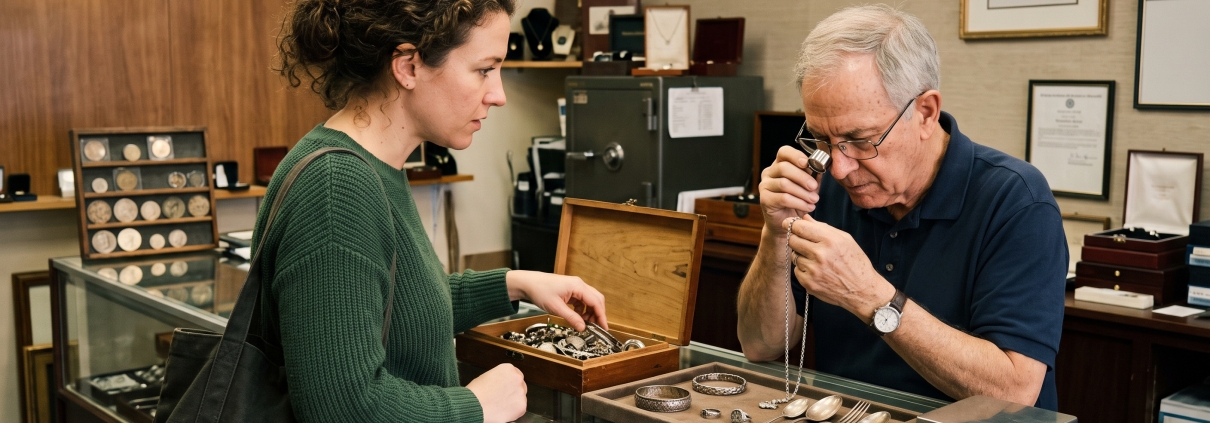
Earlier this year, unusual conditions in the precious-metals market created significant pressure on parts of the silver-refining and buying supply chain. Strong demand, elevated silver prices, increased recycling activity, and limited processing capacity contributed to refinery bottlenecks that affected how quickly some dealers could move certain types of silver. The Silver Institute has also reported refinery bottlenecks associated with increased silver recycling and a tight physical market.
For some sellers, that meant discovering that a dealer was temporarily limiting or declining certain silver items.
That situation has changed at California Gold & Silver Exchange. We are once again buying sterling silver jewelry and qualifying silver items.
If you put your silver aside because you previously could not find a buyer, you can now bring it in for evaluation.
What Happened to the Silver Market Earlier This Year?
The earlier disruption did not mean that silver suddenly lost its value. The issue was largely about the movement and processing of physical metal.
California Gold & Silver Exchange previously reported that silver refineries were experiencing delays as elevated prices increased the amount of silver entering the refining system. Their February 2026 report described a surge of jewelry, flatware, coins, and other scrap entering the market while refiners faced processing constraints.
Independent industry research supports the broader picture. The Silver Institute reported that silver recycling reached its highest level in 12 years in 2025, while refinery bottlenecks limited some recycling volumes. It also expects the global silver market to remain in structural deficit during 2026.
Why Can a Silver Buyer Temporarily Stop Buying Certain Items?
There is an important distinction between silver having no value and a buyer temporarily being unable or unwilling to process a particular type of silver.
When refiners and dealers are dealing with limited processing capacity, longer settlement times, changing inventory requirements, or tighter liquidity, they may become more selective about what they purchase.
That can affect lower-volume, mixed, or lower-purity material even when the underlying silver still has value.
In other words, a temporary buying restriction does not necessarily tell you anything about the intrinsic value of your silver. It may simply reflect what a particular buyer can efficiently process at that moment.
The Good News: We’re Buying Sterling Silver Again
If you have been holding onto sterling silver because you could not find a buyer, California Gold & Silver Exchange is once again buying qualifying silver items.
Our current buying categories include sterling silver jewelry, sterling silverware, silver coins, silver rounds, silver bullion, foreign silver coins, and other qualifying silver items.
We Buy Sterling Silver Jewelry
Sterling silver does not have to be new or in perfect condition to contain valuable silver.
We buy qualifying sterling silver jewelry, including:
- Rings
- Earrings
- Necklaces
- Bracelets
- Pendants
- Vintage jewelry
- Antique jewelry
- Broken jewelry
- Damaged jewelry
- Mismatched jewelry
- Unwanted jewelry
A broken chain or single earring may no longer be useful to you, but that does not necessarily mean the silver has no value.
The important question is what the item is made of and how much qualifying precious metal it contains.
We Buy Sterling Silverware and Serving Pieces
Sterling silver flatware and serving pieces are another category that can sit unused for years, particularly when they have been inherited.
If you have sterling silverware or serving pieces you no longer want, bring them in for evaluation.
Examples include:
- Forks
- Spoons
- Knives
- Serving utensils
- Trays
- Tea sets
- Candlesticks
- Salt and pepper shakers
- Sterling serving pieces
California Gold & Silver Exchange specifically lists sterling silverware, tea sets, knives, spoons, forks, sterling platters, candlesticks, and sterling medallions among the silver items it purchases.
We Buy Other Silver Items
Our silver buying also includes qualifying:
- Silver coins
- Silver rounds
- Silver bullion
- Silver bars
- Silver medallions
- Foreign silver coins
- Other qualifying silver items
The type, purity, weight, and composition of an item all matter when determining its value.
How Do You Know If Something Is Sterling Silver?
One of the most common questions sellers have is whether an item is actually silver.
You do not need to be an expert to bring your items in for evaluation, but understanding common markings can help.
What Does .925 Mean?
Sterling silver is generally 92.5% pure silver.
That is why sterling silver jewelry and other items are commonly stamped “.925”. The remaining portion consists primarily of other metals used to create a stronger, more durable alloy.
You may also see “STERLING” or other sterling markings.
What About “German Silver,” “Alpaca,” or “Nickel Silver”?
Names can be misleading.
Materials sold as “German silver,” “Alpaca,” or “nickel silver” are not the same thing as sterling silver and generally do not contain silver simply because the word “silver” appears in the name.
Do not assume a piece is sterling based solely on its name.
What If There Is No Silver Mark?
Do not automatically assume an unmarked item is worthless.
Some items require additional testing to determine what metal they contain. California Gold & Silver Exchange evaluates and tests precious-metal items as part of the buying process.
If you cannot find a .925 or sterling marking, bringing the item in for evaluation is often more useful than trying to identify it yourself.
What If Your Silver Is Old, Broken, Damaged, or Unwanted?
Silver does not have to look perfect to have value.
California Gold & Silver Exchange states that it buys gold and silver jewelry in a variety of conditions, including broken, damaged, vintage, antique, mismatched, and single items.
That can include:
- Broken chains
- Single earrings
- Damaged rings
- Tarnished silver
- Inherited silver
- Jewelry you no longer wear
- Mismatched pieces
- Old silverware
- Silver that has been sitting unused for years
You do not need to repair, polish, match, or restore your silver before bringing it in.
In many cases, the precious-metal content matters more than whether the item is currently useful or attractive to you.
How California Gold & Silver Exchange Evaluates Your Silver
Selling precious metals should be straightforward. You should understand what you have and how an offer is determined before deciding whether to sell.
California Gold & Silver Exchange describes its process in three basic steps:
- Bring your items in.
- The items are evaluated, weighed, and tested as appropriate.
- You receive an offer and decide whether you want to sell.
The company states that customers can see their items weighed and tested and receive a free estimate with no obligation to sell.
What Determines the Value of Silver?
There is no single price for every silver item.
The value can depend on:
- Purity
- Weight
- Current silver market conditions
- Type of item
- Authenticity
- Collectibility
- Condition
- Actual silver content
For ordinary sterling silver jewelry or flatware, the precious-metal content is often an important part of the valuation. A collectible coin, rare piece, or historically significant item may involve additional considerations.
That is why an in-person evaluation can be more useful than estimating an item’s value based solely on its appearance or a single marking.
What This Means If You’ve Been Waiting to Sell Your Silver
If you previously tried to sell silver and were told that a dealer was not buying certain materials, that does not necessarily mean you need to keep waiting.
California Gold & Silver Exchange is currently buying qualifying silver items again.
That may be relevant if you have:
- Sterling silver you inherited
- A collection you have been meaning to evaluate
- Silver jewelry you no longer wear
- Sterling silverware sitting unused
- Broken or mismatched silver jewelry
- Silver coins or bullion
- Items you previously could not find a buyer for
You also do not need to determine the value of everything yourself before bringing it in.
Not Every Silver Item Is Worth the Same
A stronger silver market does not mean every object containing silver has the same value.
Two items can look nearly identical and have substantially different values because their purity, weight, composition, or other characteristics differ.
For example, sterling silver is generally 92.5% silver, while silver-plated material has only a surface layer of silver over another material. “Nickel silver” and similar materials may contain no silver at all.
That is why identification and testing matter.
A professional evaluation can help distinguish between materials that may look similar but have very different precious-metal values.
Why Sell Silver to a Local Buyer?
Selling locally gives you the opportunity to bring your items in yourself, have them evaluated in person, and discuss the transaction directly with the buyer.
You Do Not Have to Ship Your Silver
A local transaction means you can bring your items to the buyer rather than packaging and shipping potentially valuable property to an unknown company.
Your Items Can Be Evaluated in Person
You can discuss what you have, ask questions, and understand how the items are being evaluated.
You Can Ask Questions Before You Sell
If you are unsure whether something is sterling, whether an inherited collection has value, or why different pieces are worth different amounts, you can ask before making a decision.
You Know Who You Are Doing Business With
California Gold & Silver Exchange is located at 130 S. Mountain Ave., Unit R, Upland, California, and serves customers from Upland and surrounding Southern California communities.
The company describes itself as a family-owned and operated business with roots in Southern California’s precious-metals industry.
Frequently Asked Questions About Selling Sterling Silver
Can I sell sterling silver jewelry?
Yes. California Gold & Silver Exchange buys qualifying sterling silver jewelry, including old, broken, damaged, vintage, antique, mismatched, and unwanted pieces.
Can I sell broken sterling silver?
Yes. Broken jewelry can still contain valuable silver. Damage to the jewelry does not automatically eliminate the value of its precious-metal content.
Can I sell sterling silverware?
Yes. California Gold & Silver Exchange buys qualifying sterling silverware and serving pieces, including forks, spoons, knives, tea sets, platters, candlesticks, and other sterling items.
How do I know if my silver is real?
Look for markings such as “.925” or “STERLING,” but do not rely solely on markings. Items can be evaluated and tested to help determine their composition.
What does .925 mean on silver?
A .925 marking generally indicates sterling silver, which contains 92.5% pure silver.
Is sterling silver worth anything?
Yes. Qualifying sterling silver contains actual silver, so it has precious-metal value. The amount depends on factors such as purity, weight, and current market conditions.
Where can I sell sterling silver?
You can bring qualifying sterling silver to a local precious-metals buyer for evaluation. California Gold & Silver Exchange buys sterling silver at its Upland, California location.
Can I sell silver coins and bullion?
Yes. California Gold & Silver Exchange buys qualifying silver coins, rounds, bullion, bars, medallions, and foreign silver coins.
Do you buy silver that is not marked?
An absent or unreadable marking does not necessarily mean an item has no value. Items can be evaluated and tested to determine their composition.
Do you buy silver-plated items?
Silver-plated items are different from solid sterling silver. California Gold & Silver Exchange does not purchase silver-plated items as precious-metal material.
The Silver Market Is Moving Forward
The silver market experienced significant physical-market tightness and refinery bottlenecks during the recent surge in prices and recycling activity. Industry data confirms that refinery bottlenecks affected silver recycling volumes, while the broader market remains structurally tight.
But market conditions change.
California Gold & Silver Exchange is once again buying sterling silver jewelry and qualifying silver items, including sterling silverware, silver coins, bullion, rounds, medallions, and other silver.
If you have silver that you have been holding onto because you previously could not find a buyer, now is an appropriate time to have it evaluated.
You do not need to know exactly what you have. You do not need to repair it. You do not need to polish it. And you do not need to decide in advance that you want to sell.
Have Sterling Silver or Other Silver Items You’ve Been Holding Onto?
Bring your silver to California Gold & Silver Exchange in Upland for a professional evaluation. The team can help determine what you have, evaluate the precious-metal content, and provide an offer if the item qualifies for purchase. The company offers free estimates and states that there is no pressure to sell.
What’s Involved in a 401(k) to Precious Metals Conversion?
Thinking of turning your 401(k) into gold or silver? This process—known as a 401(k) to Precious Metals Conversion—lets retirement savers roll over funds into a self-directed IRA, allowing investments in physical gold and silver that meet IRS standards. For many folks near retirement, this isn’t just about wealth protection. It offers real peace of mind in a shifting economy.
Why Gold and Silver Still Belong in Your Retirement Portfolio
Adding gold and silver to your retirement plan isn’t just an old-school move. Here’s why experienced investors do it:
- Diversifies your holdings beyond the unpredictable stock market
- Can help hedge against inflation and financial uncertainty
- Brings the security of holding assets you can see and touch
Going the physical metals route is simple when you have a trustworthy guide and avoid common traps—like buying products that don’t actually qualify for an IRA or chasing big promises that sound too good to be true.
How Self-Directed IRAs Work for Precious Metals
A self-directed IRA opens up more than just stocks and bonds. Here’s what you do:
- Set up a self-directed IRA with a qualified custodian
- Request a direct rollover from your 401(k)
- Choose the right coins or bars—meeting those IRS fineness standards is a must
- Make sure your metals are tucked away in an IRS-approved depository
When you work with a local specialist like California Gold & Silver Exchange, you get the benefit of transparent service and clear answers from someone who knows the community and the rules.
How to Convert Your 401(k) to Precious Metals (Step-by-Step)
Ready to dive in? Here’s how most 401(k) to Precious Metals Conversions unfold:
- Talk to a self-directed IRA expert for upfront advice tailored to your needs
- Set up a direct rollover—this keeps your process smooth and free of unnecessary taxes
- Pick only IRS-approved gold or silver (don’t be shy: ask to see the paperwork)
- Store it all safely in a licensed, third-party vault, not at home
With help from California Gold & Silver Exchange, you’ll never be left guessing at what comes next. Their approach is straightforward, friendly, and rooted in trust.
Let’s Clear Up a Few Questions
What will it cost me?
You’ll pay for account setup and yearly storage, but honest experts will lay out every fee upfront.
Are there risks here?
Sure—mostly in choosing the wrong provider or getting talked into unqualified products. Stick with the pros who can back up their claims with credentials and happy customers.
How soon can I access my money?
You generally follow the usual IRA rules: age 59½ is the magic number for penalty-free withdrawals.
How do I avoid scams?
It’s simple. Skip any company promising a sure thing, or applying sales pressure. Check for that A+ BBB rating and listen to real stories from local clients.
Why Local Investors Trust California Gold & Silver Exchange
For over five decades, California Gold & Silver Exchange has been a fixture in Upland. Folks walk in without appointments, and everyone is greeted like an old friend. Here’s what sets them apart:
- Walk-in service—because a handshake matters
- Straightforward guidance without the industry jargon
- All the right certifications and an A+ BBB rating
- Deep local roots and genuine family values
You’re never just a number. Every client gets personalized support, whether buying, selling, or just looking for advice.
Ready to Turn Your Retirement into Something Real?
It’s easy to get started:
- Stop by the Upland office for a chat, or call to set up your free session
- Explore your rollover options step by step so you know what’s best for you
- Bring every question—no matter how basic—because good advisors are there to listen
There’s nothing stuffy or impersonal here—just real, caring professionals who want your retirement to work for you, not the market.
Frequently Asked Questions About 401(k) to Precious Metals Conversion
| Question | Answer |
|---|---|
| Can I convert any 401(k)? | Most workplace 401(k)s qualify once your employment ends. Always check the specifics first. |
| Will I owe taxes on the rollover? | Not if you do it right—a direct rollover is usually non-taxable, but mistakes can cost you. |
| Where does my gold go? | Only IRS-approved depositories—no home storage allowed for IRAs. |
| What’s considered IRA-worthy? | Only specific coins and bars—think American Gold Eagles, not random collectibles. |
Decoding the 2026 Silver Backlog
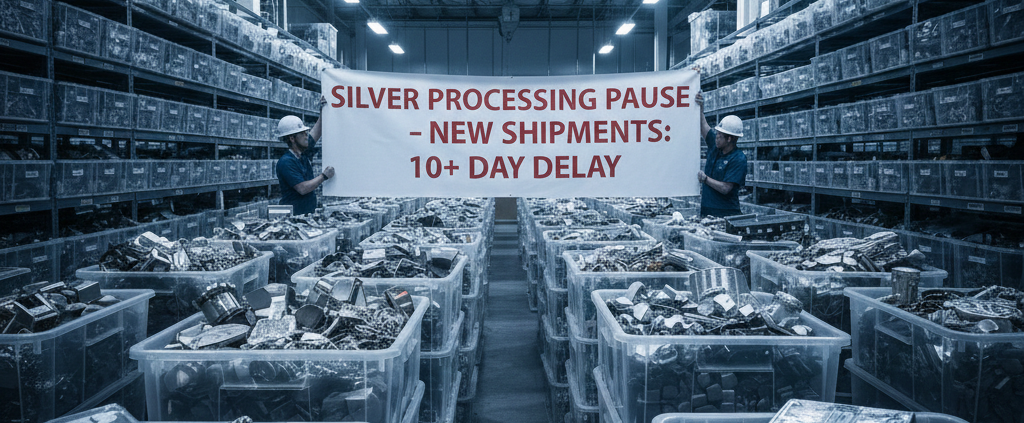
The silver market is on fire. With prices soaring to unprecedented highs in 2026, many investors and sellers are encountering an unexpected problem: long waits and processing delays at silver refineries. Just like its golden counterpart, the silver market is experiencing a significant “bottleneck”—a surge in demand meeting limited refining capacity.
At California Gold & Silver Exchange, we understand that clarity is key when market conditions are volatile. If you’re wondering why it’s taking longer to sell your silver or if the market is in trouble, rest assured: this is a sign of overwhelming demand, not a collapse.
The Silver Surge: What’s Causing the Refinery Delays?
The current situation in silver refining can be attributed to a perfect storm of factors, all converging in early 2026.
1. Unprecedented Industrial and Investment Demand
Silver is not just a precious metal; it’s a critical industrial commodity. The booming electric vehicle (EV) sector, solar panel manufacturing, and cutting-edge electronics are consuming vast amounts of silver. Simultaneously, retail investors are piling into physical silver as a hedge against inflation and economic uncertainty. This dual demand pressure is unlike anything seen before.
2. Record Scrap Volume
High prices incentivize sellers. Just as with gold, the elevated spot price of silver has triggered a flood of “street silver”—old jewelry, flatware, coins, and industrial scrap—entering the market. This raw material needs to be melted down, assayed, and refined to meet the purity standards required for industrial use and investment-grade bullion.
3. Limited Refining Capacity
While new technologies are always emerging, the actual physical infrastructure for refining silver is finite. Building new, large-scale refineries is a multi-year, multi-billion-dollar undertaking. Existing refineries are running 24/7, but there’s a limit to how much material they can process and purify to .999 standards.
The Impact: What the Silver Backlog Means for You
The refinery backlog creates several challenges, especially for those looking for quick liquidity:
-
Extended Payment Times: Local dealers and buyers who rely on immediate payouts from refineries are experiencing delays of 10-15 days or even more. This, in turn, impacts how quickly they can pay you.
-
Focus on High-Grade Material: Major refineries are prioritizing high-volume clients and materials with higher silver content to manage the massive influx. This can make it harder to sell lower-grade silver scrap or smaller quantities quickly.
-
Wider Buy/Sell Spreads: To compensate for the processing delays and the risk of price fluctuations while material is in the refining queue, some buyers may offer slightly wider spreads (the difference between the market price and what they buy/sell for).
When Will Silver Refineries Catch Up?
The million-dollar question! While no one can give an exact date, here’s what experts are forecasting:
-
Medium-Term Outlook (3-6 Months): Most industry analysts expect the severe backlog to persist through the first half of 2026. Refineries are working to expand shifts and streamline operations, but new capacity takes time to come online.
-
Long-Term Outlook (6-12+ Months): As new refining capabilities are gradually introduced, and potentially as some of the initial selling frenzy subsides, the market should begin to normalize. However, sustained industrial demand means that silver may remain a hot commodity, potentially keeping some pressure on refining capacity.
Key takeaway: The current silver refinery backlog 2026 is a sign of a robust, high-demand market, not a failing one. Patience is essential, but the value of your silver remains strong.
Navigating the Silver Market During a Backlog
Selling your silver during this unprecedented time requires a strategic approach:
-
Choose Reputable Buyers: Work with established buyers like California Gold & Silver Exchange. We often have larger capital reserves and direct refinery relationships, which can help mitigate some delays.
-
Be Patient: Understand that immediate “cash for silver” might be slightly slower than usual, especially for large volumes.
-
Consolidate Your Silver: If you have various types of silver scrap, consolidating it into a larger, higher-purity lot may expedite the process.
The silver market is experiencing an extraordinary period of growth and demand. While the silver refinery backlog 2026 presents temporary challenges, it underscores the intrinsic value and critical importance of this versatile metal.
Are you looking to sell your silver and want to understand your options during this busy period? Contact California Gold & Silver Exchange today for expert appraisal and fair market pricing. We’re here to help you navigate the current market with confidence.