Should I Sell My Gold in 2026?
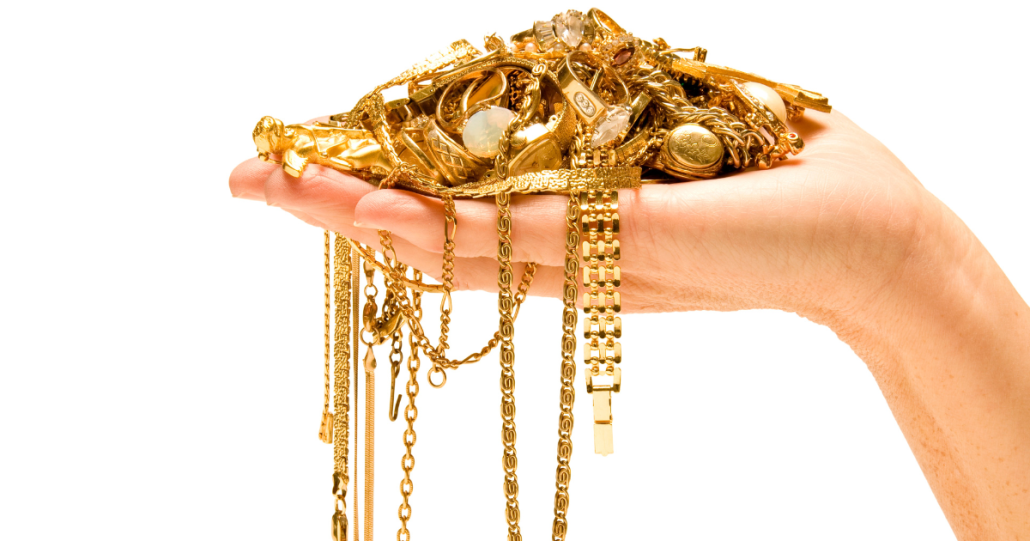
Many gold investors are asking the question: “Should I Sell My Gold in 2026?”
Here’s the answer: Possibly, if selling supports a clear financial goal. Whether you are downsizing, settling an estate, rebalancing investments, or turning unused jewelry into liquidity, a strong gold market can be a good time to get a professional evaluation.
Trying to call the exact peak is rarely productive. Gold prices can move quickly, and the right decision often comes down to your personal goals, the type of gold you own, and the offer you receive.
Is Gold Still Expensive in 2026?
Gold remains at historically elevated levels, but its value changes daily. The amount you receive depends on the current spot price, your item’s purity and weight, and whether it has value beyond its gold content.
Gold prices are influenced by interest-rate expectations, the strength of the U.S. dollar, central-bank purchasing, investor demand, inflation concerns, and global uncertainty. These forces can support higher prices, but they can also create short-term swings.
For perspective, the LBMA gold price averaged $4,506.29 per troy ounce during the second quarter of 2026, which was 37% higher than the average in the second quarter of 2025. Prices may rise or fall from here, but the current market has prompted many owners to take a fresh look at their gold holdings. [External link to: World Gold Council gold market data]
How Much Can I Get for My Gold?
There is no single answer because not all gold is valued the same way. A one-ounce bullion coin, a vintage gold ring, and a certified rare coin may all be gold, but each is evaluated differently.
- Gold bullion bars: Value is generally based on weight, purity, the current spot price, and the dealer’s buy-back spread.
- Recognized bullion coins: Value may include the gold content plus any market premium tied to the coin’s popularity and liquidity.
- Certified rare coins: Value can depend on rarity, condition, grade, certification, and collector demand.
- Gold jewelry: Value is influenced by karat, weight, gemstones, condition, craftsmanship, and brand.
- Inherited or estate pieces: Some pieces deserve a closer review because their resale or collectible value may exceed melt value.
Before selling, ask for a clear explanation of your item’s weight, purity, and category. A transparent offer should explain how the buyer arrived at the number.
Learn more about selling gold in Southern California.
Should I Sell Gold Jewelry or Coins Now?
Get an in-person evaluation before making a decision. This is especially important for inherited items, fine jewelry, diamonds, designer pieces, vintage jewelry, and certified coins.
Do not assume every coin should be valued only for its metal content, or that every piece of jewelry is simply scrap gold. Coins certified by PCGS or NGC, along with jewelry supported by GIA documentation, may warrant a more detailed review.
[Learn about selling rare and collectible coins]
What Should I Ask Before Selling Gold?
A reputable gold buyer should welcome questions and explain the process clearly. Before agreeing to sell, ask:
- What is today’s gold spot price?
- What is the karat or fineness of my item?
- What does the item weigh after non-gold materials are excluded?
- Is it being valued as bullion, jewelry, scrap, or a collectible?
- Does it have gemstone, designer, collectible, or resale value beyond the gold?
- How will payment be handled, and will I receive documentation for the transaction?
Clear answers protect you from confusion and make it easier to compare offers fairly.
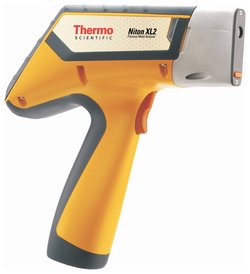
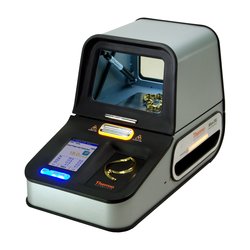
PRO TIP: Make sure the appraisal involves the use of an XRF X-Ray Analyzer:
Why Sell Gold Locally?
Selling locally gives you more control over the process. You can see the evaluation, ask questions in person, and avoid mailing valuable gold, coins, or jewelry to an unfamiliar buyer.
That matters even more when you are selling an estate collection, several bullion products, or family heirlooms. An in-person conversation gives you time to understand the offer before you decide.
California Gold & Silver Exchange is a family-owned, community-focused precious-metals business serving Southern California. Our team provides professional evaluations for gold, silver, bullion, coins, and jewelry, with an emphasis on honest guidance, secure transactions, and competitive payouts.
[Request an in-person gold evaluation]
Frequently Asked Questions
Do I pay taxes when I sell gold?
Tax consequences depend on factors such as your cost basis, holding period, item type, and profit. Keep records when available and consult a qualified tax professional for advice based on your situation.
Can I sell inherited gold?
Yes. Bring any appraisals, certificates, original packaging, purchase records, and coin certifications you have. These materials may help identify value beyond the gold itself.
Should I accept the first offer for my gold?
Only after you understand how the offer was calculated. Compare offers based on purity, weight, current market pricing, and any collectible or jewelry value—not just the final dollar amount.
Do I need an appointment to sell gold?
No. Calling ahead is helpful for large collections, estate items, or multiple bullion products. It gives the team time to prepare for a thorough evaluation.
Sell Gold With Confidence in Southern California
If selling gold in 2026 supports your goals, the first step is a straightforward evaluation from a buyer who will explain what you own and how it is valued. California Gold & Silver Exchange helps customers sell gold, silver, coins, bullion, and jewelry with the professionalism, convenience, and personal attention expected from a trusted local business.