Korean Silver: Value, Purity & Selling
Korean silver has a long tradition of craftsmanship and can take many forms, from traditional utensils and serving pieces to decorative objects, tea sets, commemorative items, and jewelry.
At California Gold & Silver Exchange, we buy Korean silver and evaluate each piece based on its actual silver content, weight, markings, condition, and potential collectible value.
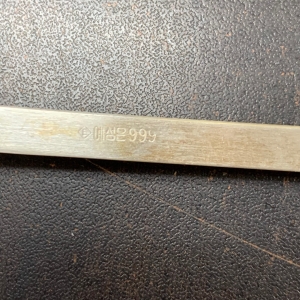
Unlike sterling silver, which is typically 92.5% silver, Korean silver can be found in a range of purities. Korean pieces may be marked 70, 80, 90, 99, 700, 800, 900, 990, or with other purity indications.
What Is Korean Silver Worth?
There is no single standard purity for everything described as Korean silver. The silver content can vary significantly from one piece to another.
Common markings include:
- 70 / 700 — approximately 70% silver
- 80 / 800 — approximately 80% silver
- 90 / 900 — approximately 90% silver
- 99 / 990 — approximately 99% silver
- 925 / .925 — sterling-level silver
- Korean Hangul marks indicating silver or pure silver
Older Korean pieces can be particularly challenging to identify because some have limited markings, while others may have maker’s marks or inscriptions rather than a familiar Western-style sterling stamp.
The marking is only the starting point. We look at the piece itself to determine what it is, how much silver it contains, and what it may be worth.
Korean Silver Spoons and Utensils
One of the most recognizable forms of Korean silver is traditional tableware.
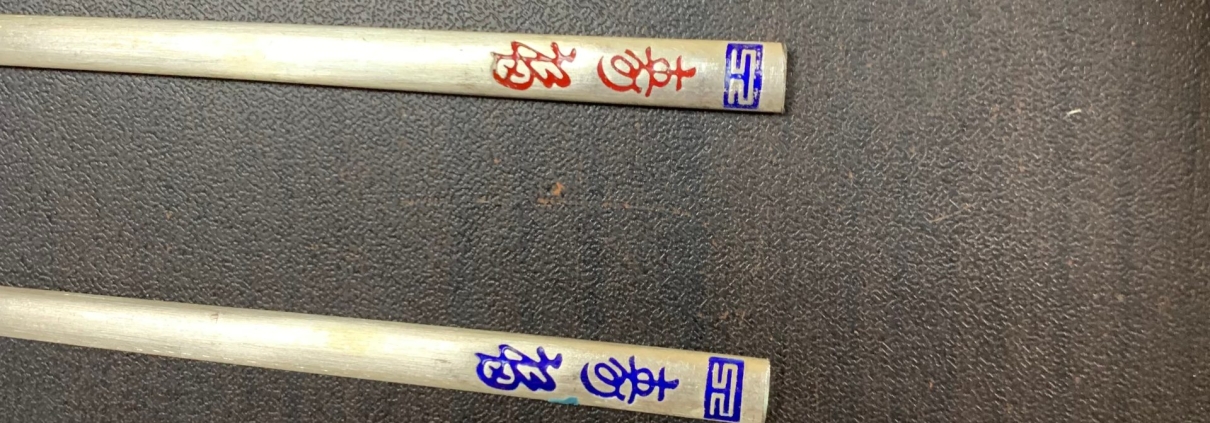
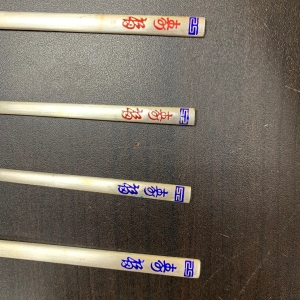
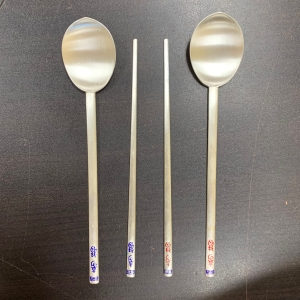
Silver spoons, chopsticks, forks, serving utensils, and other dining pieces can feature distinctive Korean designs, engraved decoration, enamel work, or traditional symbols. Sets may also have different silver purities depending on the individual components.
Because these pieces can contain substantial amounts of silver, older Korean flatware should not automatically be treated as ordinary household utensils.
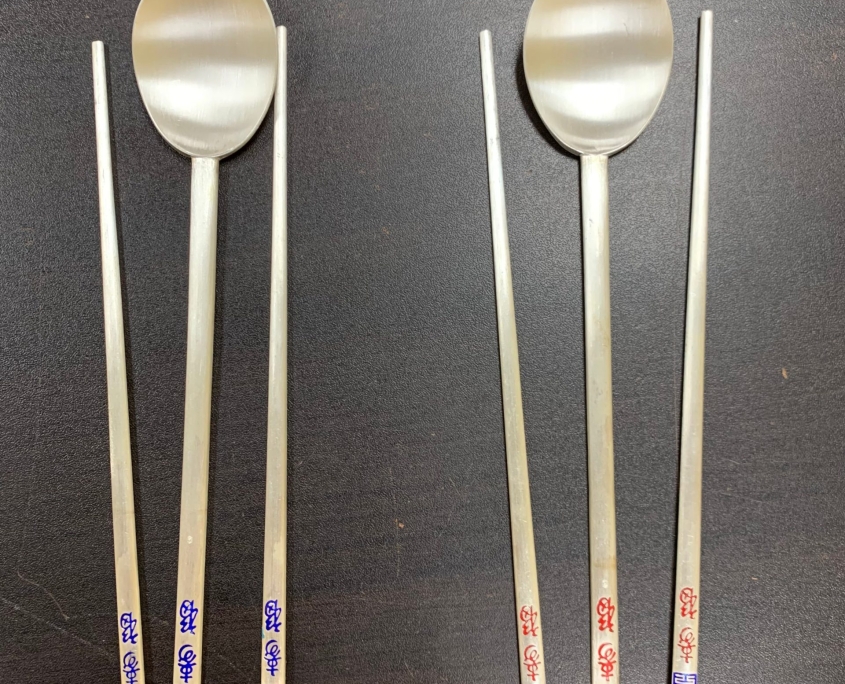
How to Identify Korean Silver
Look closely at the underside, handle, or other inconspicuous area of the piece for markings.
You may find:
- Korean Hangul characters
- Chinese characters used on older Korean pieces
- Numerical purity marks
- A maker’s or workshop mark
- An inscription or presentation marking
SILVER,PURE SILVER, or similar wording
There is not one universal Korean silver hallmark used on every piece. Korean silver markings have changed over time, and different purity standards have been used.
That makes professional evaluation particularly useful for older or unusual pieces.
Korean Silver Can Have More Than Melt Value
The precious-metal value is only one part of the equation.
A Korean silver piece may also have collectible or historical value because of its:
- Age
- Craftsmanship
- Rarity
- Maker
- Design
- Cultural significance
- Original presentation box
- Engraving or provenance
- Condition
For that reason, we don’t recommend assuming that an unusual Korean silver item is worth only its scrap value. Some pieces deserve closer examination before they are sold.
Have Korean Silver You No Longer Want?
Perhaps you inherited a set of Korean silver spoons and chopsticks. Maybe you have a decorative piece brought home from Korea decades ago. Or you have an older silver collection that you simply no longer use.
Whatever the source, California Gold & Silver Exchange can examine your pieces and determine their silver content and value.
We buy Korean silver along with many other forms of precious-metal items, including:
- Korean silver flatware
- Silver spoons and chopsticks
- Silver serving pieces
- Silver bowls and cups
- Antique and vintage silver
- Sterling silver
- Silver jewelry
- Commemorative silver
- Silver coins and bullion
Sell Your Korean Silver
Don’t let unfamiliar markings keep you from finding out what your Korean silver is worth.
California Gold & Silver Exchange buys Korean silver and evaluates pieces based on their actual silver content, weight, markings, and potential collectible value.
Bring your Korean silver to us for an evaluation and find out what it is worth.