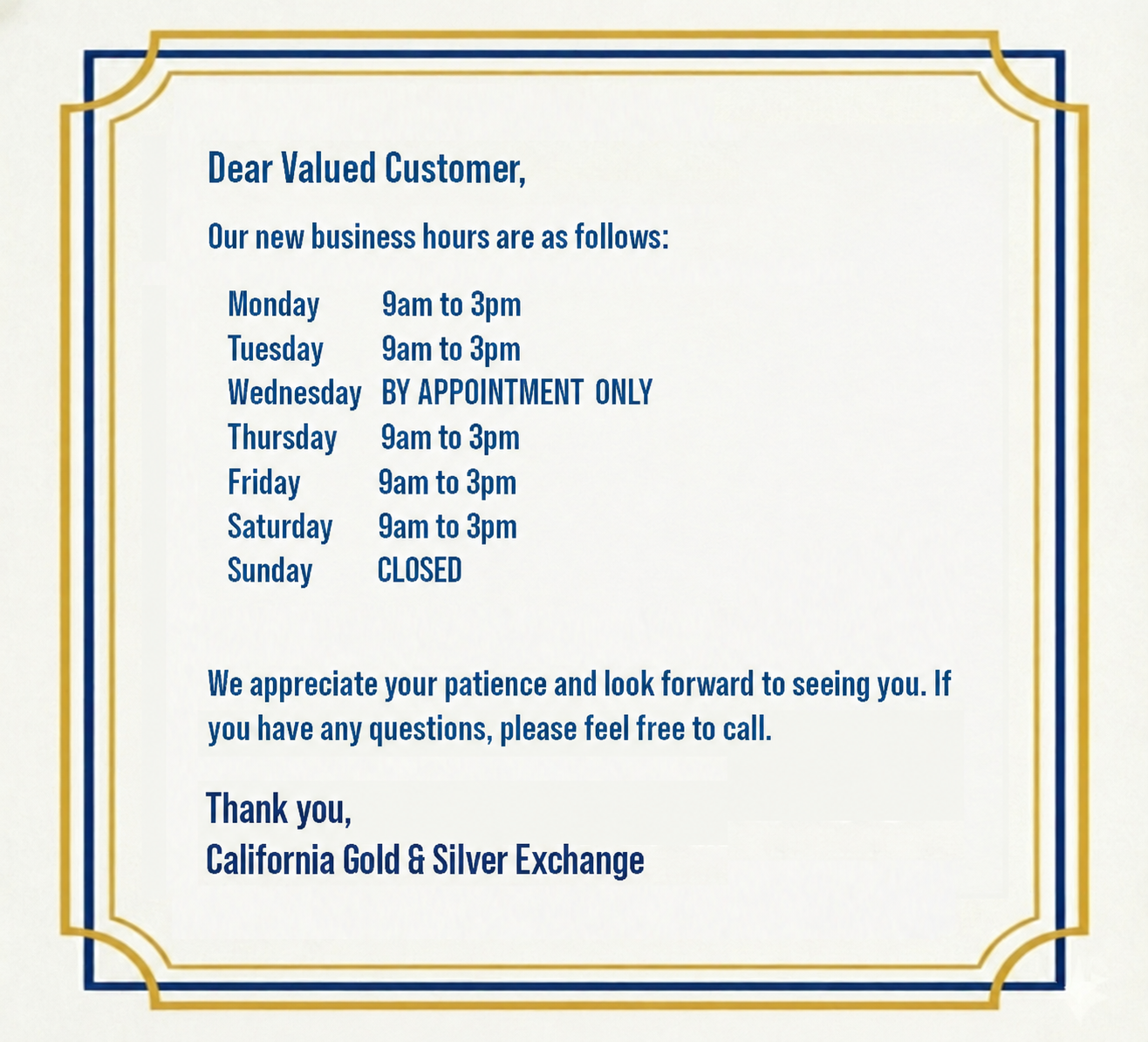
We have received your message. If you indicated that you would like to make an appointment, we will reach out to you shortly.
When you sell gold to us, we will explain every step of the process to help you understand how selling gold works. With your XRF Precious metals Analyzer, we can test your gold to know exactly what purity your gold contains. This helps us assess your gold to give you the most when you sell.
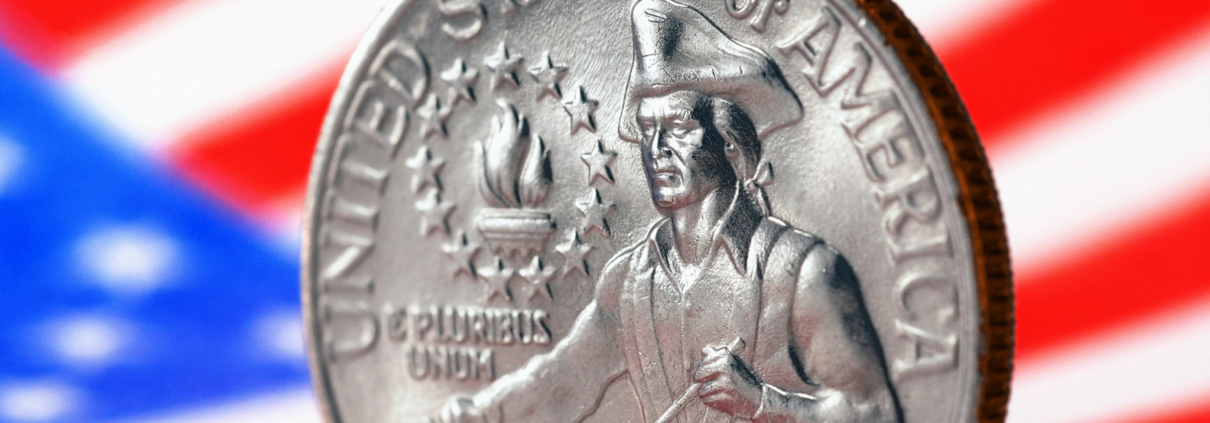
Why Are Bicentennial Coins So Popular?
Bicentennial quarters, half dollars, and dollars minted for America’s 200th birthday in 1976 often catch the eye of collectors and families digging through old coin jars. With their distinctive dual-date design (1776-1976), they carry both historical and sentimental value. It’s no surprise many wonder if they might have stumbled on something special.
Over 1.6 billion Bicentennial quarters were produced between 1975 and 1976, making them one of the most widely minted commemorative coins in U.S. history. Because so many were made, these coins are still very common in circulation and rarely considered rare finds by collectors.
The Real Value: Bicentennial Coins Explained
It’s a common misconception that Bicentennial coins are rare or highly valuable—but in truth, most aren’t. The standard quarters, half dollars, and dollars were minted in the hundreds of millions and are still widely available today. While they have a unique look, most carry only their face value and don’t attract much collector interest.
Interestingly, studies show that about one-third of all Bicentennial quarters—roughly 750 million coins—were actually hoarded by the public after their release. People were excited to keep them, sparking a collecting craze of sorts. However, hoarding hasn’t translated into increased value; the coins remain worth about what you’d expect.
Are There Exceptions? Silver Bicentennial Coins
Yes—some Bicentennial coins do have real value. These are the 40% silver versions sold in limited quantities by the U.S. Mint, typically part of collector proof and uncirculated sets. They’re easy to spot because they often come in special packaging and bear an “S” mint mark.
If you’re not sure whether a coin is a silver version, don’t worry. At California Gold & Silver Exchange, we can quickly identify and appraise your coins honestly and accurately.
Only these special silver Bicentennial coins—not the mass-produced copper-nickel ones—carry true collector value. They represent just a tiny fraction of the total coins produced.
Our Approach: Transparent Appraisals in Upland
At California Gold & Silver Exchange, we’re known for our friendly, professional service. As a family-owned business deeply rooted in the community, we’re committed to honest appraisals and clear communication. Our certified staff guides every seller through the process with straightforward facts—no pressure, just respect.
We often encounter folks who hope to find a fortune in their Bicentennial coins based on family stories or popular myths. We believe honest, educational conversations build the best relationships. Helping people understand what they truly have is at the heart of everything we do.
What We Don’t Buy—and Why
Because most Bicentennial coins are so common and lack precious metals, we don’t buy standard quarters, half dollars, or Eisenhower dollars from this era. We want to set clear, realistic expectations instead of fostering false hopes. If you think you might have silver versions or just want a second opinion, we offer free, no-pressure appraisals.
We Buy Much More Than Bicentennials
If you’re interested in selling other valuables, we provide expert appraisals and competitive offers for:
- Gold, silver, platinum, and palladium bullion
- Rare U.S. coins (including pre-1933 gold, Morgan, and Peace dollars)
- Estate jewelry and diamonds
- Sterling silver flatware, tea sets, and collectible medallions
Our goal is always to offer fair prices with the trustworthy service our Upland neighbors expect.
Frequently Asked Questions
Are Bicentennial coins from 1976 worth anything?
Most aren’t—unless you have a silver proof or a special collector’s edition.
How can I tell if my coin is silver?
Silver Bicentennial coins usually come in original U.S. Mint packaging or have an “S” mint mark. Still not sure? Bring your coins in for a free evaluation.
Will you explain my coin’s value clearly?
Absolutely. We believe in transparency and will help you understand how value is determined.
Can I get a free in-person appraisal?
Yes! Walk-ins are always welcome at our Upland store. Stop by anytime with your questions or coins.
Visit Us in Upland for Straight Answers
For nearly two decades, California Gold & Silver Exchange has been a trusted place in Inland Empire and Southern California for selling coins and precious metals. Whether you want to sell, ask questions, or just learn more, we’re here to help with transparent, respectful service.
Curious about your coins? Bring them in or give us a call. Honest answers and helpful service are waiting for you at California Gold & Silver Exchange.
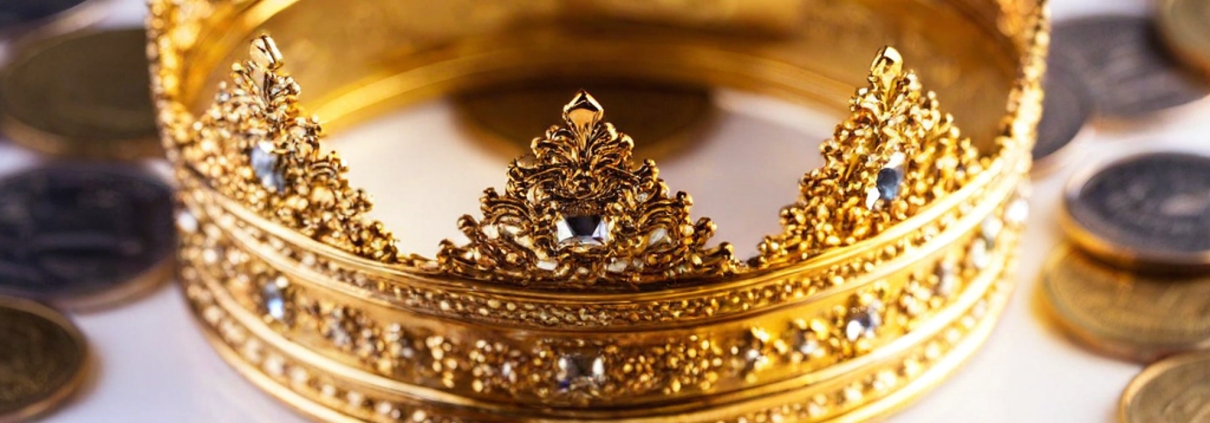
El oro ha sido un símbolo de riqueza y seguridad durante siglos, atrayendo a inversores que buscan estabilidad en medio de condiciones económicas inciertas. Entre las opciones de oro, el oro de corona tiene un significado histórico especial. Para cualquiera en California que esté considerando invertir en metales preciosos, es fundamental comprender el oro de corona y sus posibles beneficios.
Esta guía completa le presentará el oro de corona, le explicará sus ventajas como inversión y le desvelará cómo funciona el comercio de oro de corona. Tanto si es nuevo en la inversión en oro como si es un inversor experimentado que desea ampliar su cartera, este artículo contiene todo lo que necesita para tomar decisiones bien informadas.
¿Qué es Crown Gold?
El oro corona se refiere a una aleación de oro de 22 quilates, lo que significa que contiene 22 partes de oro puro y 2 partes de otros metales, como cobre o plata. Esta mezcla específica hace que el oro corona sea menos propenso al desgaste en comparación con el oro de mayor pureza, como el de 24 quilates.
El término «oro de corona» se originó en Inglaterra en 1526, durante el reinado del rey Enrique VIII, y se utilizó inicialmente para describir el oro utilizado en las monedas de corona. Hoy en día, se reconoce como una de las formas más puras y prácticas de oro para la fabricación de monedas, lingotes y otros artículos valiosos.
¿Por qué elegir Crown Gold?
- Durabilidad: la composición de la aleación la hace más resistente y menos propensa a sufrir daños que las opciones de oro más puro.
- Retención del valor: el oro de corona conserva su valor intrínseco debido a su alto contenido en oro. Es la opción preferida por los inversores que buscan un equilibrio entre pureza y longevidad.
- Legado histórico: su larga asociación con las monedas y los productos de oro de alta calidad añade un elemento de prestigio a su posesión.
Invertir en Corona de oro
A la hora de considerar inversiones en metales preciosos, el oro de corona destaca por su accesibilidad y versatilidad. A continuación, se explican las ventajas que el oro de corona puede ofrecer a los inversores:
1. Diversificación de la cartera
El oro actúa como cobertura contra la inflación y proporciona estabilidad durante las caídas del mercado. Invertir en oro de la corona diversifica su cartera y reduce el riesgo general.
2. Variedad de opciones de inversión
El oro de la corona está disponible en múltiples formas, incluyendo monedas, lingotes y lingotes. Esta versatilidad facilita la selección de opciones de inversión en función de su presupuesto y sus objetivos.
3. Alta liquidez
Muchos artículos de oro de corona, especialmente las monedas y lingotes populares, son reconocidos a nivel mundial, lo que garantiza una alta liquidez. Esto significa que puede intercambiar o vender fácilmente sus activos cuando lo necesite.
4. Activo tangible
A diferencia de las acciones o las monedas digitales, el oro de la corona es un activo físico que se puede poseer, lo que añade una capa de seguridad a sus inversiones.
Antes de realizar cualquier inversión, es importante consultar con su contador público certificado o asesor financiero para asegurarse de que se ajusta a sus objetivos financieros.
Crown Gold: lo que los inversores deben saber
Para sacar el máximo partido a las inversiones en oro de corona, es importante tener en cuenta algunos puntos clave a la hora de comprar o vender.
Los mejores tipos de oro para intercambiar
- Lingotes de oro son ideales para inversores que buscan flexibilidad y rendimientos de alto valor. Están disponibles en varios pesos y purezas, lo que le permite personalizar su inversión.
- Monedas de oro Las monedas de oro tienen tanto valor intrínseco como coleccionable. Son muy codiciadas tanto por coleccionistas como por inversores.
Evaluar los niveles de pureza
Mientras que el oro de corona es de 22 quilates, otras formas de oro pueden variar en pureza. Optar por oro de mayor pureza a veces puede ofrecer mejores rendimientos, aunque puede que no tenga la misma durabilidad que el oro de corona.
Monedas de oro comunes de la Corona
Algunas de las monedas de oro de corona más populares son:
- American Gold Eagle
- Canadian Maple Leaf
- South African Krugerrand
- British Gold Sovereign
- Peso mexicano de oro
Estas monedas son ampliamente reconocidas y fáciles de intercambiar o vender, lo que las convierte en un elemento básico en la cartera de cualquier inversor.
Distribuidores de confianza
Al invertir en oro de corona, es fundamental trabajar con distribuidores de confianza. Estos pueden proporcionar certificados de autenticidad y garantizar precios justos basados en las tasas actuales del mercado.
Comprender los intercambios de oro de la Corona
El proceso de cambio de oro en lingotes consiste en intercambiar sus activos, como monedas, joyas o lingotes, por dinero en efectivo u otros metales preciosos. En casas de cambio de renombre, como California Gold and Silver Exchange, este proceso es sencillo y fiable.
A continuación se explica cómo funcionan las bolsas de oro:
- Evaluación
Sus artículos de oro serán evaluados profesionalmente en cuanto a peso, pureza y demanda del mercado.
- Oferta
En función de la evaluación, recibirás una oferta por tu oro.
- Comercializar o vender
Puede optar por venderlo por dinero en efectivo o cambiarlo por otros activos de oro.
Artículos de oro que se intercambian habitualmente
En las bolsas de oro, se pueden negociar diversas formas de oro de corona, entre ellas:
- Joyas rotas o sin usar
- Lingotes y barras
- Oro Dental
- Monedas de oro populares (como las mencionadas anteriormente)
Verifique siempre la credibilidad de la plataforma de intercambio y solicite precios transparentes antes de continuar.
Conclusión
El oro de la corona ofrece una oportunidad de inversión fiable y versátil, que combina durabilidad, importancia histórica y valor intrínseco. Tanto si desea diversificar su cartera, proteger su patrimonio frente a la volatilidad del mercado o simplemente añadir activos tangibles a sus inversiones, el oro de la corona es una excelente opción para los inversores.
Si está listo para explorar el mundo del oro de corona, considere asociarse con expertos de confianza como CA Gold and Silver Exchange. Con una amplia gama de activos en oro y apoyo profesional, facilitan a los inversores la compra, venta o intercambio de oro de corona con confianza.
Comience hoy mismo su andadura en la inversión en oro. Póngase en contacto con CA Gold and Silver para obtener más información sobre el comercio de oro de la corona y asegurar su futuro financiero.
 2025
2025We Buy Hong Kong Gold: Expert Evaluation & Fair Prices
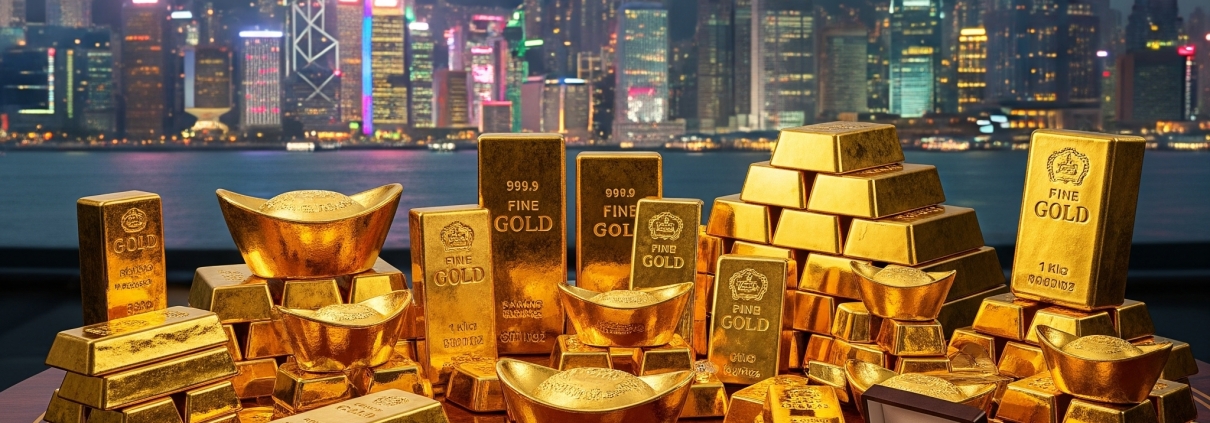
Rich History, Value, and Investment Potential. Do you have any Hong Kong gold jewelry or coins collecting dust? You’re holding pieces with centuries of craftsmanship tradition and real market value. Understanding what makes Hong Kong gold unique—from its purity standards to cultural significance—helps you make informed decisions about selling or valuing your pieces.
Hong Kong gold represents more than precious metal. It embodies a rich heritage of masterful craftsmanship, cultural traditions, and investment wisdom passed down through generations. Whether you’ve inherited family heirlooms or invested in Hong Kong gold pieces, these items carry both emotional and financial significance that deserves proper recognition and valuation.
The global gold market recognizes Hong Kong’s reputation for exceptional quality and traditional techniques. This recognition translates into real value for owners of authentic Hong Kong gold pieces, making them sought-after items among collectors and investors worldwide.
What Is Hong Kong Gold?
Defining Hong Kong Gold
Hong Kong gold refers to gold jewelry, coins, and bars produced in Hong Kong using traditional craftsmanship methods passed down through generations. These pieces feature distinctive hallmarking and quality standards that set them apart from gold produced elsewhere. The cultural and ceremonial significance in Chinese communities adds another layer of value beyond the precious metal content.
The territory’s unique position as a bridge between Eastern traditions and Western refining standards created a distinct style of goldsmithing. This fusion resulted in pieces that maintain cultural authenticity while meeting international quality expectations.
Common Hong Kong Gold Items
Traditional wedding jewelry sets represent some of the most recognizable Hong Kong gold pieces. These elaborate sets often include necklaces, bracelets, earrings, and rings featuring intricate designs and superior craftsmanship.
Ceremonial bangles and bracelets hold special significance in Chinese culture, often given during important life events. Religious pendants and charms featuring Buddhist or Taoist symbols demonstrate the spiritual importance of these pieces.
Investment-focused items include gold bars and wafers produced by Hong Kong refineries, as well as commemorative coins marking significant events. Vintage jewelry from established Hong Kong goldsmiths has become increasingly collectible as these traditional workshops become rarer.
Identifying Authentic Hong Kong Gold
Authentic Hong Kong gold features specific hallmark stamps and maker’s marks that verify origin and quality. These marks often include purity indicators and the goldsmith’s identification code. Traditional design patterns and motifs reflect Chinese cultural elements while maintaining the refined aesthetic Hong Kong goldsmiths are known for.
Quality indicators include the substantial weight typical of Hong Kong pieces and the exceptional finish quality. Documentation such as certificates of authenticity, original packaging, or family provenance helps establish the piece’s history and value.
Rich History of Hong Kong Gold
Historical Foundation
Hong Kong emerged as a major gold trading hub during the British colonial period, combining traditional Chinese goldsmithing techniques with Western refining standards. This unique fusion created a distinct style that preserved ancient methods while adopting modern quality control measures.
The post-World War II economic boom transformed Hong Kong into a manufacturing powerhouse, with the jewelry industry experiencing unprecedented growth. This period established many of the renowned goldsmith houses that continue to influence the industry today.
Cultural Significance
Hong Kong gold plays a central role in Chinese wedding traditions, where elaborate gold jewelry sets symbolize prosperity and good fortune for the new couple. These pieces often represent significant family investments and serve as stores of wealth that can be passed down through generations.
The practice of generational wealth transfer through gold jewelry remains strong in Chinese communities worldwide. Parents and grandparents view gold gifts as both blessings and practical financial security for younger family members.
Religious and spiritual importance extends to Buddhist and Taoist practices, where specific gold pieces serve as protective talismans or offerings. This spiritual dimension adds cultural value that transcends the monetary worth of the metal itself.
Evolution of the Industry
The 1970s and 1980s marked the golden age of Hong Kong jewelry manufacturing, when the territory became synonymous with high-quality gold craftsmanship worldwide. This period saw the establishment of world-renowned Hong Kong goldsmiths who combined traditional techniques with modern manufacturing capabilities.
Hong Kong’s role in global gold markets expanded during this time, with the territory becoming a major hub for both manufacturing and trading. The integration of computer-aided design with traditional handwork created new possibilities while preserving cultural authenticity.
Notable Hong Kong Gold Houses
Chow Tai Fook built its heritage and reputation on exceptional craftsmanship and innovative designs, becoming one of the most recognized names in Asian jewelry. Their pieces command premium prices due to brand recognition and consistent quality standards.
Luk Fook Jewellery established craftsmanship standards that influenced the entire industry, while traditional family-owned goldsmith shops maintained the artisanal approach that gives Hong Kong gold its distinctive character. Modern luxury brands with Hong Kong origins continue this tradition while appealing to contemporary tastes.
Value and Investment Potential
Market Value Factors
Hong Kong gold values start with the current gold spot price foundation but extend far beyond raw metal worth. The craftsmanship premium for intricate pieces reflects the skill and time invested in their creation, often adding significant value over the base gold content.
Brand recognition and maker reputation play crucial roles in determining market value. Pieces from established Hong Kong goldsmith houses command higher prices due to their proven quality and cultural significance.
Rarity and vintage appeal increase value over time, particularly for pieces from the golden age of Hong Kong manufacturing. Condition and preservation quality directly impact pricing, with well-maintained pieces retaining maximum value.
Investment Characteristics
Hong Kong gold typically features high purity levels ranging from 18K to 24K, making these pieces attractive to investors seeking quality precious metal exposure. The liquidity in international markets means Hong Kong gold can be easily sold in major financial centers worldwide.
Cultural appreciation among Asian diaspora communities maintains steady demand for authentic Hong Kong pieces. This cultural connection provides a hedge against currency fluctuations while offering portfolio diversification benefits beyond traditional investments.
Collectibility and Appreciation
Vintage Hong Kong gold pieces gain value over time as traditional craftsmanship becomes increasingly rare. Limited edition and commemorative items often appreciate faster than regular production pieces due to their scarcity.
Traditional designs are becoming more sought after as younger generations appreciate cultural heritage and authentic craftsmanship. The cross-cultural appeal of Hong Kong gold expands market reach beyond Asian communities, attracting international collectors who value quality and cultural significance.
Market Demand Trends
Growing interest from international collectors reflects increased appreciation for Asian craftsmanship and cultural artifacts. Asian diaspora communities worldwide maintain cultural connections through jewelry purchases, supporting consistent demand.
The luxury jewelry market expansion includes Hong Kong pieces as investors seek alternatives to mass-produced items. Investment-grade pieces from reputable Hong Kong sources continue performing well as both cultural artifacts and precious metal investments.
Craftsmanship and Quality
Traditional Techniques
Hong Kong goldsmiths employ hand-forging and detailed metalwork techniques that create distinctive textures and finishes impossible to achieve through mass production. Intricate filigree and granulation methods produce delicate patterns that showcase the artisan’s skill level.
Traditional Chinese motifs and symbolism appear throughout Hong Kong gold designs, from dragon and phoenix representations to floral patterns carrying specific cultural meanings. These time-intensive creation processes ensure each piece receives individual attention and craftsmanship.
Modern Manufacturing Excellence
Contemporary Hong Kong gold production combines precision casting and finishing techniques with traditional methods. Computer-aided design integration allows for complex patterns while maintaining cultural authenticity.
Quality control standards in Hong Kong often exceed international norms, reflecting the territory’s reputation for excellence. Innovative alloy compositions enhance durability without compromising the traditional appearance that collectors value.
Artistic Elements
Dragon and phoenix symbolism represents power, prosperity, and marital harmony in Hong Kong gold designs. Floral patterns and nature motifs carry meanings related to growth, renewal, and natural beauty.
Geometric designs and traditional characters add layers of meaning while demonstrating technical skill. Religious symbols and protective charms serve spiritual purposes while showcasing artistic excellence.
Quality Indicators
Authentic Hong Kong gold possesses substantial weight and feel that reflects high gold content and solid construction. Smooth finishes and clean lines demonstrate superior craftsmanship and attention to detail.
Secure clasps and findings ensure durability while maintaining aesthetic appeal. Consistent color and luster across the entire piece indicate quality materials and proper manufacturing techniques. Professional hallmarking provides verification of authenticity and purity standards.
Purity Standards
Hong Kong Purity Classifications
24K (99.9% pure) represents the highest purity level, typically found in investment bars and ceremonial pieces where maximum gold content takes priority over durability concerns.
22K (91.7% pure) appears in high-end jewelry and wedding sets, offering excellent purity while maintaining sufficient strength for regular wear. This purity level strikes an ideal balance for ceremonial pieces.
18K (75% pure) serves as the most common purity for daily wear jewelry, providing durability for regular use while maintaining substantial gold content. This standard dominates the Hong Kong jewelry market.
14K (58.3% pure) appears in contemporary pieces designed for international markets, offering increased durability while maintaining gold’s distinctive appearance and value.
Hallmarking System
Official Hong Kong hallmarks indicate purity levels and manufacturer identity, providing verification of authenticity and quality. These marks follow established standards that allow for easy identification by professionals.
Purity stamps and maker’s marks appear in specific locations on each piece, typically in inconspicuous areas that don’t interfere with the design. Import and export certification marks may also appear on pieces intended for international markets.
Quality assurance indicators help buyers verify authenticity and understand the piece’s specifications. These markings represent legal requirements and industry standards that protect consumers and maintain Hong Kong’s reputation for quality.
Testing and Verification
Professional testing methods include electronic gold testing for quick accuracy and acid testing for confirmation of purity levels. X-ray fluorescence analysis provides precise composition information for valuable or unusual pieces.
These testing methods ensure accurate valuation while protecting both buyers and sellers from misrepresentation. Professional testing equipment can detect treatments, plating, or other modifications that might affect value.
Hong Kong Gold vs. Other Regional Gold Types
Hong Kong vs. Chinese Mainland Gold
Hong Kong gold emphasizes higher craftsmanship standards and international market focus, while Chinese mainland gold often prioritizes mass production and domestic market orientation. Purity differences typically favor Hong Kong pieces, which maintain stricter quality control standards.
Design aesthetics in Hong Kong gold tend toward more refined appearance with international appeal, reflecting the territory’s position as a global trading center. This refinement often translates into higher market values and collector interest.
Hong Kong vs. Turkish Gold
Hong Kong gold emphasizes purity and investment value, while Turkish gold showcases intricate handwork with regional design preferences. Market positioning differs significantly, with Hong Kong pieces typically commanding luxury premiums while Turkish gold focuses on traditional craftsmanship appeal.
Both regions maintain high purity standards but use different hallmarking systems and quality indicators. The cultural significance remains strong in both traditions, though expressed through different aesthetic approaches.
Hong Kong vs. Italian Gold
Hong Kong gold features Asian cultural motifs with investment focus, while Italian gold reflects European fashion influence and contemporary design trends. Both regions enjoy world-renowned craftsmanship reputations but appeal to different aesthetic preferences.
Market appeal varies by geographic and cultural factors, with Hong Kong pieces particularly valued in Asian markets and Italian gold preferred in European and American contexts.
Hong Kong vs. Mexican Gold
Hong Kong gold typically maintains higher purity standards with 18K-24K common, while Mexican gold often uses 14K-16K with different alloy compositions. Cultural significance remains important in both traditions, though expressed through distinct regional styles.
Investment value generally favors Hong Kong gold, which commands higher per-gram premiums due to superior purity and international recognition. Both types serve important roles in their respective cultural communities.
What We Look For When Buying Hong Kong Gold
Authentication Process
Verifying genuine Hong Kong origin requires expertise in recognizing authentic hallmarks, traditional design elements, and construction techniques. We check maker’s marks against known Hong Kong goldsmith databases and verify purity levels using professional testing equipment.
Assessing craftsmanship quality involves examining construction methods, finish quality, and design execution. Authentic Hong Kong pieces display characteristic techniques and attention to detail that distinguish them from imitations or pieces from other regions.
Valuation Factors
Current gold market prices provide the foundation for valuation, with purity level and weight calculations determining base value. Craftsmanship and design premiums reflect the additional value created by skilled artisans and complex manufacturing processes.
Brand recognition and provenance significantly impact value, particularly for pieces from renowned Hong Kong goldsmith houses. Condition and preservation state affect final valuation, with well-maintained pieces retaining maximum market value.
Items We Actively Purchase
Traditional wedding jewelry sets represent significant value due to their cultural importance and typical high gold content. Investment-grade bars and wafers from Hong Kong refineries offer pure precious metal value with recognized quality standards.
Vintage Hong Kong goldsmith pieces attract collector interest and often command premiums over gold content value. Religious and ceremonial items serve specific cultural needs while maintaining strong resale potential.
Modern designer Hong Kong gold jewelry combines contemporary appeal with traditional quality, attracting buyers who appreciate both style and substance.
Fair Market Pricing
Transparent pricing based on gold content ensures sellers receive fair value for the precious metal component of their pieces. Additional premiums for exceptional craftsmanship recognize the artistic and cultural value beyond raw material worth.
Market rate adjustments for brand value reflect real market conditions and collector demand. Honest assessments of condition impact provide realistic expectations and maintain trust in the evaluation process.
Selling Your Hong Kong Gold
Preparation Steps
Gathering documentation or certificates helps establish provenance and authenticity, potentially increasing value. Clean pieces gently without damaging surfaces or removing protective patinas that add to vintage appeal.
Research the maker or brand when known, as this information can significantly impact valuation. Understanding current gold market conditions helps set realistic expectations for the evaluation process.
What to Bring
Original packaging or boxes when available demonstrate care and may include important information about the piece. Purchase receipts or appraisal documents provide verification of previous valuations and purchase history.
Family history or provenance information adds cultural context and may increase value for significant pieces. Bringing multiple pieces allows for comprehensive evaluation and potentially better overall pricing.
Evaluation Process
Professional testing and verification ensure accurate assessment of purity and authenticity. We provide detailed explanations of our findings, including how we determined purity levels and identified specific characteristics.
Clear breakdowns of pricing calculations show how we arrived at our offer, including base gold value and any premiums for craftsmanship or brand recognition. Our no-pressure environment allows time for decision-making without feeling rushed.
Why Choose Professional Evaluation
Accurate purity testing equipment provides precise measurements that determine true gold content. Knowledge of Hong Kong gold characteristics helps identify authentic pieces and assess their cultural and market significance.
Fair market pricing based on current rates ensures competitive offers that reflect real market conditions. Respect for cultural and sentimental value acknowledges the emotional importance of these pieces beyond their monetary worth.
Investment Considerations
Hong Kong Gold as an Investment
Portfolio diversification benefits include exposure to precious metals through culturally significant items that may appreciate beyond basic gold prices. The cultural hedge maintains value through community appreciation and traditional significance.
International market liquidity means Hong Kong gold can be sold in major markets worldwide. Quality craftsmanship appreciation potential offers returns beyond commodity gold prices as traditional skills become rarer.
Market Outlook
Asian economy growth supports continuing demand for traditional gold items, particularly in rapidly developing markets. International collector interest increases as global appreciation for Asian craftsmanship grows.
Traditional craftsmanship becomes rarer as master artisans retire and modern production methods dominate. Investment-grade pieces continue performing well as both precious metal investments and cultural artifacts.
Liquidity Advantages
Hong Kong gold sells easily in major markets due to recognized quality standards and international reputation. Strong brand reputations maintain value even during market fluctuations.
Cross-cultural appeal expands the buyer base beyond traditional Asian markets, creating more opportunities for favorable sales. This broader appeal supports consistent demand and stable pricing.
Understanding Hong Kong Gold’s Enduring Value
Hong Kong gold represents a unique intersection of cultural heritage, exceptional craftsmanship, and solid investment potential. The rich tradition of goldsmithing in Hong Kong has created pieces that transcend simple commodity value, offering owners both financial security and cultural connection.
The distinctive characteristics that set Hong Kong gold apart from other regional types—superior purity standards, traditional techniques combined with modern quality control, and deep cultural significance—ensure continued market demand and appreciation potential.
Why We Value Hong Kong Gold
Our understanding of cultural significance guides our approach to evaluating and purchasing Hong Kong gold pieces. We recognize that these items represent family heritage, spiritual beliefs, and artistic achievement beyond their precious metal content.
Expertise in authentication and evaluation ensures accurate assessment of both monetary and cultural value. Our fair pricing reflects true market value while respecting the meaningful nature of these pieces to their owners.
Professional handling maintains the dignity and significance of meaningful pieces throughout the evaluation and transaction process.
Ready to Evaluate Your Hong Kong Gold?
California Gold & Silver Exchange welcomes you to bring your Hong Kong gold pieces for professional assessment. No appointment is necessary during business hours, and we provide free evaluations with detailed explanations of our findings and pricing methods.
Our professional, knowledgeable staff understands the unique characteristics and cultural significance of Hong Kong gold. We conduct confidential evaluations in a comfortable setting that respects both the monetary and emotional value of your pieces.
Fair, competitive pricing based on current markets ensures you receive appropriate value for your Hong Kong gold. We provide immediate payment for pieces you choose to sell, making the transaction convenient and straightforward.
Visit us today to discover the true value of your Hong Kong gold pieces and experience the professional service that has made us a trusted name in precious metals evaluation and purchase.