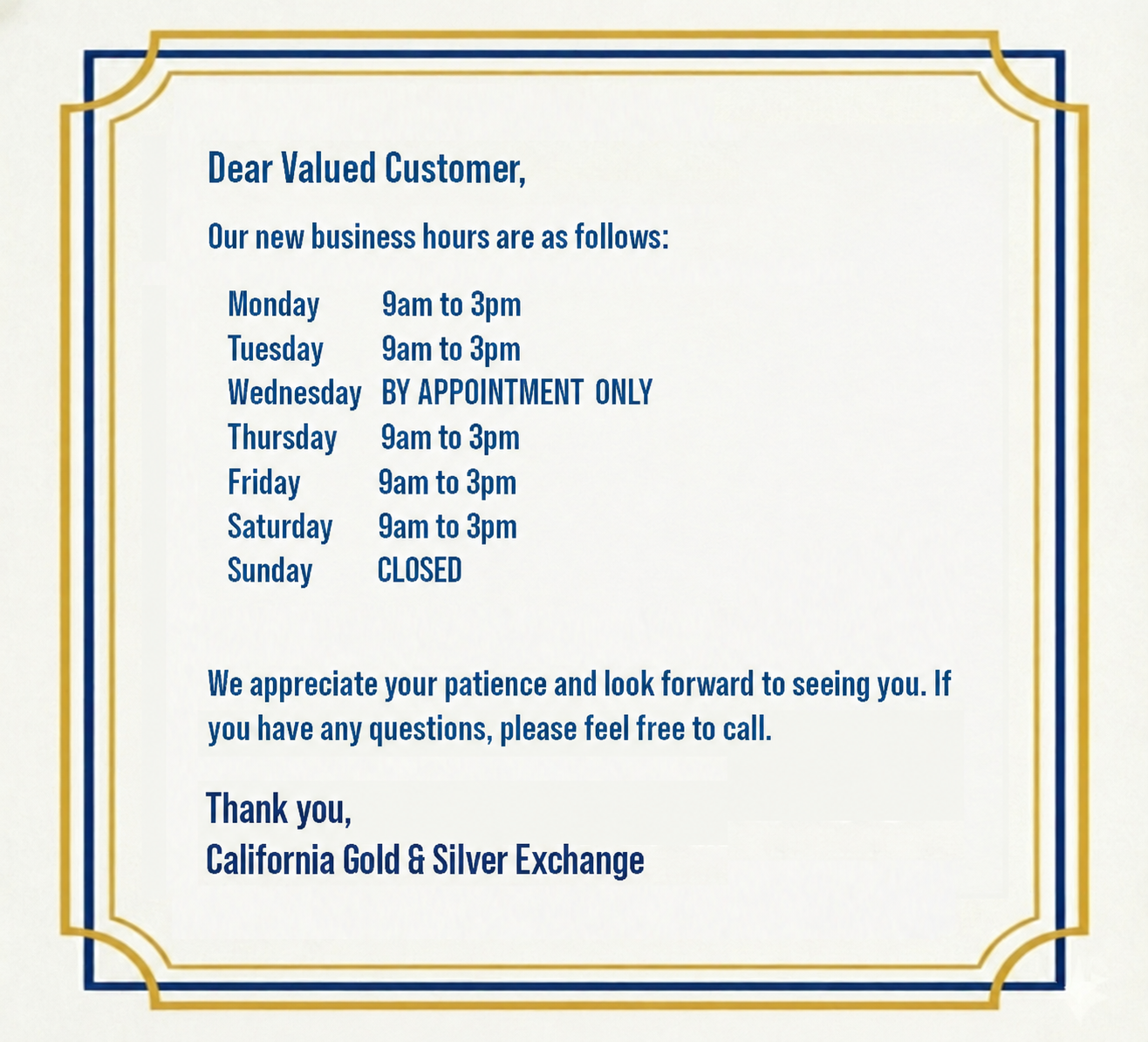
We have received your message. If you indicated that you would like to make an appointment, we will reach out to you shortly.
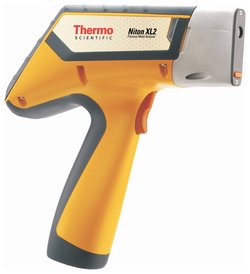
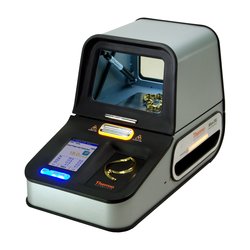
When you sell gold to us, we will explain every step of the process to help you understand how selling gold works. With your XRF Precious metals Analyzer, we can test your gold to know exactly what purity your gold contains. This helps us assess your gold to give you the most when you sell.
Many gold investors are asking the question: “Should I Buy More Gold in 2026?”
Here’s the answer: Possibly, if adding gold supports your long-term goals for diversification, wealth preservation, and inflation protection. The right amount depends on your existing holdings, financial priorities, time horizon, and comfort with price fluctuations.
Gold has attracted significant attention in 2026 because prices remain elevated. That does not automatically mean it is too late to buy, nor does it mean every investor should increase their position. The better question is whether physical gold still has a defined role in your overall financial picture.
Is It Too Late to Buy Gold in 2026?
Not necessarily. A high price can make buyers cautious, but gold should not be viewed only as a short-term trade. Many people own physical gold because it is a tangible asset that may help diversify a portfolio and preserve purchasing power over time.
Gold prices respond to a number of factors, including interest-rate expectations, the U.S. dollar, central-bank buying, investor demand, inflation concerns, and global uncertainty. Those conditions can create momentum in either direction, which is why buying solely because prices have been rising can be risky.
For perspective, the LBMA gold price averaged $4,506.29 per troy ounce during the second quarter of 2026, 37% higher than its average during the second quarter of 2025. Elevated prices are a reason to be deliberate about a purchase, not a reason to make a rushed decision. [External link to: World Gold Council gold market data]
Why Are Investors Buying Gold in 2026?
Many investors buy gold for stability and diversification, not because they expect guaranteed profits. Physical gold does not depend on a company’s earnings, a bank’s ability to repay, or a government’s future fiscal decisions in the same way that many paper assets do.
- Wealth preservation: Gold has a long history as a globally recognized store of value.
- Portfolio diversification: Gold may behave differently than stocks, bonds, and cash during periods of market stress.
- Inflation protection: Some investors hold gold to help protect long-term purchasing power when the cost of goods and services rises.
- Liquidity: Recognized bullion products can generally be bought and sold through established precious-metals dealers.
- Tangible ownership: Physical gold is an asset you can hold directly rather than an electronic entry in a brokerage account.
None of these benefits removes price risk. Gold can rise and fall, sometimes sharply. It is best considered one part of a balanced financial strategy rather than a replacement for every other type of investment.
Should I Buy Gold All at Once or Over Time?
For many buyers, purchasing over time can reduce the pressure of trying to choose the perfect entry point. Rather than placing one large order after a major price move, some investors spread purchases across several dates and price levels.
This approach is often called dollar-cost averaging. It does not guarantee a profit or eliminate risk, but it can make the decision process more disciplined when markets are volatile.
- Decide how much of your overall assets you are comfortable allocating to precious metals.
- Set a budget that does not interfere with emergency savings, debt obligations, or near-term expenses.
- Choose products that fit your goals, storage preferences, and expected holding period.
- Buy from a reputable dealer who clearly explains the price, premium, and resale process.
What Type of Gold Should I Buy?
The best product depends on why you are buying it. Buyers focused on straightforward gold exposure often choose recognizable bullion bars or widely traded coins. Others may prefer certified coins because of their condition, historical interest, or collector demand.
- Gold bullion bars: Often favored by buyers seeking metal content and efficient pricing per ounce.
- Recognized bullion coins: May offer strong liquidity and broad recognition in the resale market.
- Fractional gold: Smaller-denomination pieces can provide flexibility for buyers who prefer to build a position gradually.
- Certified rare coins: May have collectible value in addition to gold value, but require a stronger understanding of rarity, grade, and demand.
Ask about total weight, purity, premium over spot, product availability, and likely resale options. A lower premium is not always the only consideration; liquidity and product recognition matter, too.
[Explore gold bullion and investment-grade coins]
How Much Gold Should I Own?
There is no universal number that works for every investor. Your appropriate allocation depends on your age, income needs, existing assets, investment objectives, liquidity needs, and tolerance for price changes.
For retirement-minded buyers, gold may be considered alongside cash reserves, fixed-income investments, equities, real estate, and other assets. Those considering a self-directed IRA should also understand eligibility rules, custodian requirements, and storage requirements for IRA-approved precious metals.
Before adding to your holdings, consider these questions:
- What role do I want gold to play in my financial strategy?
- Am I buying for long-term preservation, diversification, liquidity, or collector interest?
- Would this purchase affect funds I need in the next few years?
- Do I understand the difference between spot price and the premium I will pay?
- How and where will I store the gold securely?
Should I Buy More Gold If I Already Own Some?
Review what you already own before adding more. Look at the types of products in your collection, their size, their liquidity, and how much of your overall assets are already tied to precious metals.
Adding more may make sense if your allocation is lower than you intended or if you want to build a position gradually. It may make less sense if a large share of your available assets is already concentrated in gold, especially if you may need that money soon.
It can also help to review the other side of the decision. If you are considering whether to reduce an existing position, read Should I Sell My Gold in 2026?.
Why Buy Gold Locally?
Buying locally gives you a chance to ask questions, inspect products, and understand the transaction before you commit. It also removes the uncertainty of shipping valuable purchases or relying on an unfamiliar online seller.
California Gold & Silver Exchange is a family-owned, community-focused precious-metals business serving Southern California. Our team helps customers compare gold, silver, bullion, and coins with clear explanations about products, premiums, and practical considerations.
Whether you are purchasing your first gold coin or adding to a long-term precious-metals position, the focus should be on informed decisions, secure transactions, and professional guidance.
[Speak with a precious-metals specialist]
Frequently Asked Questions
Is gold a good investment in 2026?
Gold may be useful for diversification and long-term wealth preservation, but it is not a guaranteed-profit investment. Consider your goals, financial situation, and time horizon before buying.
Is it better to buy gold bars or gold coins?
Bars and coins can both be appropriate. Bars may offer efficient pricing per ounce, while widely recognized bullion coins may provide flexibility and familiarity when it is time to sell.
Should I buy gold when the price is high?
A high price does not automatically mean you should avoid gold, but it does call for discipline. Consider buying gradually, setting a budget, and choosing products that fit a long-term strategy rather than chasing short-term price moves.
Can I buy gold for an IRA?
Some bullion products may qualify for a self-directed IRA if they meet applicable purity requirements and are handled through an approved custodian. Ask a qualified tax or retirement professional about your individual circumstances.
Buy Gold With Confidence in Southern California
Buying more gold in 2026 can make sense when it serves a clear purpose in your broader financial strategy. Take the time to understand what you are buying, what you are paying, and how the product fits your long-term plans.
California Gold & Silver Exchange provides knowledgeable, straightforward help for customers buying gold, silver, bullion, and coins throughout Southern California. Visit us for a professional, no-pressure conversation about your precious-metals options.
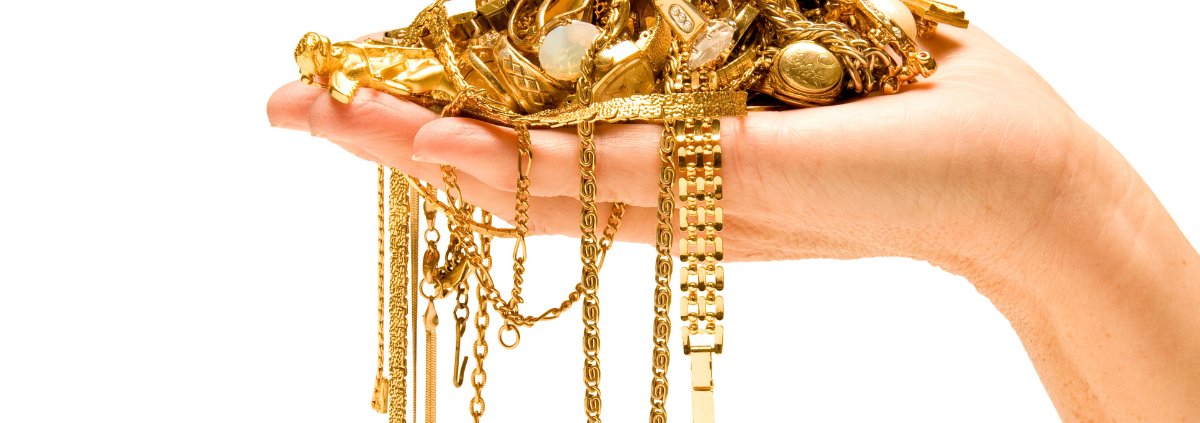
Many gold investors are asking the question: “Should I Sell My Gold in 2026?”
Here’s the answer: Possibly, if selling supports a clear financial goal. Whether you are downsizing, settling an estate, rebalancing investments, or turning unused jewelry into liquidity, a strong gold market can be a good time to get a professional evaluation.
Trying to call the exact peak is rarely productive. Gold prices can move quickly, and the right decision often comes down to your personal goals, the type of gold you own, and the offer you receive.
Is Gold Still Expensive in 2026?
Gold remains at historically elevated levels, but its value changes daily. The amount you receive depends on the current spot price, your item’s purity and weight, and whether it has value beyond its gold content.
Gold prices are influenced by interest-rate expectations, the strength of the U.S. dollar, central-bank purchasing, investor demand, inflation concerns, and global uncertainty. These forces can support higher prices, but they can also create short-term swings.
For perspective, the LBMA gold price averaged $4,506.29 per troy ounce during the second quarter of 2026, which was 37% higher than the average in the second quarter of 2025. Prices may rise or fall from here, but the current market has prompted many owners to take a fresh look at their gold holdings. [External link to: World Gold Council gold market data]
How Much Can I Get for My Gold?
There is no single answer because not all gold is valued the same way. A one-ounce bullion coin, a vintage gold ring, and a certified rare coin may all be gold, but each is evaluated differently.
- Gold bullion bars: Value is generally based on weight, purity, the current spot price, and the dealer’s buy-back spread.
- Recognized bullion coins: Value may include the gold content plus any market premium tied to the coin’s popularity and liquidity.
- Certified rare coins: Value can depend on rarity, condition, grade, certification, and collector demand.
- Gold jewelry: Value is influenced by karat, weight, gemstones, condition, craftsmanship, and brand.
- Inherited or estate pieces: Some pieces deserve a closer review because their resale or collectible value may exceed melt value.
Before selling, ask for a clear explanation of your item’s weight, purity, and category. A transparent offer should explain how the buyer arrived at the number.
Learn more about selling gold in Southern California.
Should I Sell Gold Jewelry or Coins Now?
Get an in-person evaluation before making a decision. This is especially important for inherited items, fine jewelry, diamonds, designer pieces, vintage jewelry, and certified coins.
Do not assume every coin should be valued only for its metal content, or that every piece of jewelry is simply scrap gold. Coins certified by PCGS or NGC, along with jewelry supported by GIA documentation, may warrant a more detailed review.
[Learn about selling rare and collectible coins]
What Should I Ask Before Selling Gold?
A reputable gold buyer should welcome questions and explain the process clearly. Before agreeing to sell, ask:
- What is today’s gold spot price?
- What is the karat or fineness of my item?
- What does the item weigh after non-gold materials are excluded?
- Is it being valued as bullion, jewelry, scrap, or a collectible?
- Does it have gemstone, designer, collectible, or resale value beyond the gold?
- How will payment be handled, and will I receive documentation for the transaction?
Clear answers protect you from confusion and make it easier to compare offers fairly.
PRO TIP: Make sure the appraisal involves the use of an XRF X-Ray Analyzer:
Why Sell Gold Locally?
Selling locally gives you more control over the process. You can see the evaluation, ask questions in person, and avoid mailing valuable gold, coins, or jewelry to an unfamiliar buyer.
That matters even more when you are selling an estate collection, several bullion products, or family heirlooms. An in-person conversation gives you time to understand the offer before you decide.
California Gold & Silver Exchange is a family-owned, community-focused precious-metals business serving Southern California. Our team provides professional evaluations for gold, silver, bullion, coins, and jewelry, with an emphasis on honest guidance, secure transactions, and competitive payouts.
[Request an in-person gold evaluation]
Frequently Asked Questions
Do I pay taxes when I sell gold?
Tax consequences depend on factors such as your cost basis, holding period, item type, and profit. Keep records when available and consult a qualified tax professional for advice based on your situation.
Can I sell inherited gold?
Yes. Bring any appraisals, certificates, original packaging, purchase records, and coin certifications you have. These materials may help identify value beyond the gold itself.
Should I accept the first offer for my gold?
Only after you understand how the offer was calculated. Compare offers based on purity, weight, current market pricing, and any collectible or jewelry value—not just the final dollar amount.
Do I need an appointment to sell gold?
No. Calling ahead is helpful for large collections, estate items, or multiple bullion products. It gives the team time to prepare for a thorough evaluation.
Sell Gold With Confidence in Southern California
If selling gold in 2026 supports your goals, the first step is a straightforward evaluation from a buyer who will explain what you own and how it is valued. California Gold & Silver Exchange helps customers sell gold, silver, coins, bullion, and jewelry with the professionalism, convenience, and personal attention expected from a trusted local business.
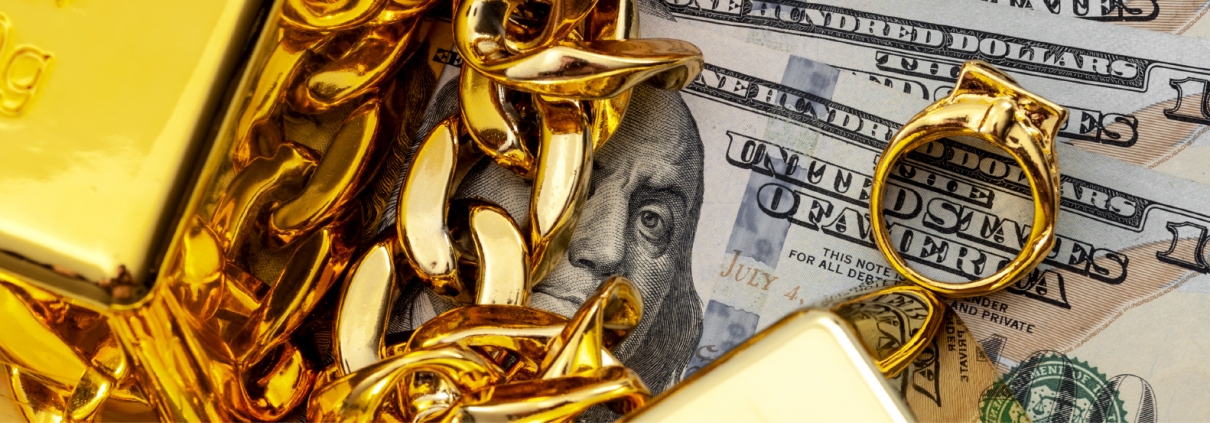
Quick answer: Know your gold’s karat and weight before you walk in, check the day’s spot price so you know the ceiling you’re working from, get more than one offer instead of taking the first number, and ask each buyer to explain how they arrived at their price rather than just accepting a total. A buyer who won’t weigh your items in front of you, won’t tell you what karat they’re pricing at, or pressures you to decide on the spot is telling you something about the deal before you’ve even heard the number.
Introduction
If you’ve got a drawer of old jewelry, a broken chain, or a ring from a relationship that ended, and you’re thinking about turning it into cash somewhere in Rancho Cucamonga, the hardest part isn’t finding a place that buys gold — the Inland Empire has plenty of pawn shops, jewelers, and dedicated gold buyers within a short drive. The hard part is knowing whether the number someone writes down on a slip of paper is fair, or whether you just handed over real value for a fraction of what it was worth.
The gold-buying business is built on an information gap. The buyer does this every day and knows exactly how karat, weight, and the day’s market price turn into a dollar figure. Most sellers do this once, maybe twice, in their life, and walk in with no idea what any of those numbers mean or how they connect to the offer being made. That gap is where bad deals happen — not usually through outright dishonesty, but through a seller who has no way to tell a fair offer from a low one, and no framework for asking a better question than “is that your best price?”
This guide closes that gap. It walks through exactly how a gold offer gets calculated, what separates a legitimate buyer from one you should walk away from, what to bring with you, and what to ask before you agree to anything. None of it requires you to become an expert in precious metals. It requires you to understand five or six mechanics well enough that you can’t be talked past them.
Karat, Explained: Why 24K, 18K, 14K, and 10K Gold Are Not Worth the Same
Karat is a measure of purity, not a brand or a quality tier — it tells you what fraction of a piece is actually gold, versus other metals mixed in to make it harder and more durable. Pure gold is 24 karat, which is also written as 24K or sometimes stamped as “.999” fine. Almost nothing you own is 24K, because pure gold is very soft and wears down or bends out of shape quickly, so jewelry is almost always alloyed with metals like copper, silver, or zinc to make it durable enough to wear.
The karat number tells you the fraction out of 24 that is pure gold:
| Karat Stamp | Fraction Pure Gold | Approximate Purity |
|---|---|---|
| 24K | 24/24 | 99.9% pure |
| 22K | 22/24 | 91.7% pure |
| 18K | 18/24 | 75.0% pure |
| 14K | 14/24 | 58.3% pure |
| 10K | 10/24 | 41.7% pure |
This matters because the karat is the multiplier applied to your item’s weight before anyone talks about price. An ounce of 10K gold contains less than half the actual gold of an ounce of 24K gold, so it is worth well under half as much, even though it weighs the same on a scale. If a buyer tells you a total price without ever mentioning the karat they used to calculate it, you have no way to check their math.
How to Find Your Karat Without a Buyer Telling You
Most gold jewelry is stamped somewhere inconspicuous — inside a ring band, on the clasp of a bracelet or necklace, or on the back of a pendant. Look for a number followed by K (10K, 14K, 18K), or a three-digit number that means the same thing in the European format (417, 585, and 750 correspond to 10K, 14K, and 18K). A jeweler’s loupe or even your phone’s camera zoomed in can help you read a worn stamp. If you genuinely can’t find a stamp, that’s not automatically a red flag — older or handmade pieces sometimes aren’t marked — but it does mean you’re relying entirely on the buyer’s testing method, which is exactly why the questions in a later section matter.
Be aware that a stamp tells you what the piece was made as, not necessarily what it tests as today. Plating, solder joints, and gold-filled construction (a thick layer of gold bonded to a base metal, often stamped “GF”) can complicate a simple karat reading, which is one reason a legitimate buyer tests your piece rather than taking the stamp at face value.
The Spot Price of Gold, and Why You Will Never Be Offered All of It
The “spot price” is the current market price for one troy ounce of pure (24K) gold, set by global trading markets and updated continuously during market hours. You can look it up for free, in real time, from any financial news site or precious metals dealer’s website, on your phone, before you ever walk into a shop. Knowing that number before you go is the single most useful piece of preparation you can do, because it’s the ceiling every offer is measured against.
Here’s the part that surprises first-time sellers: no legitimate buyer will pay you full spot price for your gold, and that is not a sign you’re being cheated. A gold buyer is a business. After they buy your piece, they have to pay to have it refined or resold, cover their own overhead and staff, and make a margin, so they build a discount off spot price into every offer they make. The real question isn’t “why isn’t this spot price,” it’s “how big is the gap, and is it a reasonable business margin or an unreasonable one.”
Working the Math Yourself
You don’t need a calculator app built for this — the formula is straightforward:
- Find today’s spot price per troy ounce (note: a troy ounce, used for precious metals, is about 10% heavier than a standard ounce).
- Divide by 31.1 to get the spot price per gram, since one troy ounce equals about 31.1 grams.
- Multiply by your item’s karat purity fraction from the table above (for example, 0.583 for 14K).
- Multiply by your item’s weight in grams.
That result is the melt value — the theoretical value of the pure gold content in your piece, at today’s price, with no buyer’s margin subtracted yet. Every real offer will be some percentage of that number. Doing this math ahead of time, even roughly, means you walk in already knowing the top of the range, instead of hearing a number and having no context for whether it’s reasonable.
A note on gemstones and craftsmanship: melt value only prices the gold content. If your piece has diamonds, other gemstones, or is a signed designer or antique piece, its actual value to a collector or jeweler may be well above melt value. A scrap gold buyer is typically only paying for the metal — if there’s a chance your piece is worth more intact than melted down, that’s worth having appraised separately before you sell it for scrap.
Why the Scale Matters and What “Weight” Actually Means for Your Payout
Weight is the other half of the equation, and it’s the half you can actually watch happen in front of you. Precious metals are conventionally weighed in grams or troy ounces (troy ounce, again, not the everyday ounce), and a legitimate buyer will weigh your items on a scale you can see, not disappear into a back room with them.
Watch the Scale, Not Just the Total
Ask to see the weight reading directly, and if you have a rough idea of what your piece should weigh (some jewelry receipts note this, or you can weigh it yourself beforehand on a kitchen or postal scale accurate to a tenth of a gram), you have an independent check against a scale reading that seems off. A scale that isn’t zeroed properly, or a buyer who weighs multiple pieces together and quotes one combined number without breaking out the karat of each, makes it hard to verify anything after the fact.
If you’re selling several pieces of different karats at once — say a 14K chain and an 18K ring — a buyer should weigh and price them separately, or at minimum explain how a combined weight was priced across different purities. A single lump total for mixed-karat items is one of the easier places for the math to quietly work against you, because you can’t reconstruct after the fact whether the higher-purity piece was priced fairly.
How to Tell a Fair Offer From a Lowball One
There’s no single number that defines “fair” — buyers vary in their overhead, their business model, and how much margin they need to build in, and that variation is legitimate. What separates a fair offer from a lowball one is less about the exact percentage and more about whether the buyer will show their work.
Signs a Buyer Is Operating Fairly
- They weigh your items on a visible scale, not out of your sight.
- They tell you the karat they’re pricing your item at, and how they determined it (a stamp, an acid test, an electronic tester).
- They can tell you, or show you, today’s spot price if you ask.
- They give you a written, itemized receipt if you sell — what was bought, at what weight and karat, for what price.
- They don’t pressure you to decide immediately or push back hard when you say you want to check elsewhere first.
Signs Worth Walking Away From
- A single lump-sum offer for multiple items with no breakdown by piece, karat, or weight.
- Refusing to tell you the karat or the spot price they’re using, or getting evasive when asked.
- Heavy pressure tactics — a “today only” price, or discouraging you from getting a second opinion.
- Testing your piece somewhere you can’t watch.
- An offer that, when you do the melt-value math yourself, comes in far below what even a conservative margin would explain.
None of these signs alone proves dishonesty — a busy shop might not offer an itemized receipt unprompted, for instance, but should absolutely provide one if you ask. It’s the combination, and the buyer’s reaction when you ask a direct question, that tells you the most.
What to Bring With You Before You Walk In
A little preparation before you leave the house makes the whole transaction faster and puts you in a stronger position to evaluate what you’re offered.
- A government-issued photo ID. Reputable buyers are required to record seller identification for resale and pawn transactions, so bring it — a shop that skips this step entirely is itself worth noticing.
- Today’s spot price, checked on your phone right before you go, or even in the shop’s parking lot, since it moves throughout the trading day.
- Any paperwork you have on the piece — an original receipt, an appraisal, a certificate for a stone — even if it’s old. It won’t necessarily raise the scrap value of the gold itself, but it can matter a lot if the piece turns out to be worth more intact than melted.
- Your own rough weight and karat estimate, from a home scale and the stamp you found, so you have an independent number to compare against theirs.
- A second bag or box to separate items you’re firm on selling from ones you’re still deciding about — it’s easier to negotiate item by item than as one undifferentiated pile.
The Questions to Ask Before You Say Yes
You don’t need to interrogate anyone, but a short, direct set of questions tells you a lot about who you’re dealing with, and gives you the information to sanity-check the number you’re offered.
- “What karat are you pricing this at, and how did you determine that?” — This tells you whether they’re reading a stamp, running an acid test, or using an electronic tester, and gives you the purity fraction to check their math.
- “What’s today’s spot price you’re using?” — A buyer should be able to answer this without hesitation. If the number they give you doesn’t match what you checked at home, ask why.
- “What percentage of melt value does that offer represent?” — This is the most direct question you can ask, and it moves the conversation from a single flat number to a transparent calculation you can evaluate.
- “Can I see the weight on the scale?” — Reasonable to ask every time, for every item, especially if multiple pieces are being weighed together.
- “Will I get an itemized, written receipt?” — Confirms the transaction is being recorded properly and gives you a record if any question comes up later.
- “Is this offer negotiable, and can I think about it?” — A legitimate buyer’s price shouldn’t evaporate because you want twenty minutes, or a day, to compare it elsewhere.
Comparing Your Options: Pawn Shops, Jewelers, and Specialty Gold Buyers
Rancho Cucamonga and the surrounding Inland Empire area have several different types of businesses that buy gold, and they don’t all operate the same way.
| Buyer Type | What to Expect |
|---|---|
| Pawn shops | Often offer the fastest cash and may also offer a pawn loan (borrow against the item instead of selling it outright) as an alternative to an outright sale. Worth asking about both options. |
| Local jewelers | May pay closer to fair value on pieces with craftsmanship or gemstone value, since they can potentially resell the piece intact rather than melting it. Less likely to be the best option for plain scrap gold with no design value. |
| Dedicated gold and precious metals buyers | Specialize specifically in weighing and pricing scrap gold, often with more transparent, itemized processes since it’s their core business rather than a side offering. |
| Mail-in refiners | You ship your gold in and receive an offer before it’s melted, with a right to decline and have it returned. Removes the in-person pressure entirely, but means you can’t watch the weighing happen live, so read their return and dispute policy carefully. |
The single most effective thing you can do, regardless of which type of buyer you choose, is get more than one offer before you sell. This doesn’t need to mean driving all over the city — a phone call describing your piece’s approximate weight and karat can often get you a ballpark estimate, and comparing two or three of those before committing to an in-person visit tells you quickly whether one buyer’s numbers are out of line with the others. If a shop’s ballpark estimate is dramatically lower than what your own melt-value math suggests it should be, that’s useful information before you’ve spent any time driving there.
Frequently Asked Questions
Is there a “best” karat to sell — should I sell my 10K jewelry and keep the 18K?
Every karat of real gold has scrap value, so there’s no karat too low to be worth something. The decision to sell isn’t really about which karat is “best” to sell — it’s about which pieces you no longer want or wear, weighed against what each is actually worth once you understand the karat and weight math above.
Does gold-plated or gold-filled jewelry have scrap value?
Gold-plated jewelry has an extremely thin layer of gold over a base metal and generally has little to no scrap value — the gold content is too small to weigh meaningfully. Gold-filled jewelry has a much thicker bonded layer and can have some scrap value, though less than solid gold of the same karat. A buyer using a proper testing method should be able to tell the difference and explain which one your piece is.
Should I clean my jewelry before I bring it in?
A light cleaning won’t change what your item is worth as scrap, since that’s based on the gold content, not its appearance. You don’t need to have it polished or professionally cleaned before selling for scrap value — that effort matters more if you’re trying to sell a piece intact for its design value, not its melt value.
Do I have to sell on the spot, or can I get an offer and leave?
You should always be able to leave with an offer and think it over — there’s no reason a fair, market-based price needs to expire in the next ten minutes. Treat pressure to decide immediately as one of the warning signs described earlier in this guide.
What if a buyer’s testing method damages my piece and I decide not to sell?
Ask about this before any testing happens, particularly for a piece with sentimental or design value you might want to keep intact. Common testing methods like an electronic tester are generally non-damaging, but an acid test typically requires a small scratch on an inconspicuous part of the item. If you’re not sure yet whether you want to sell, say so before testing begins.
Key Takeaways
- Karat determines what fraction of your item’s weight is actually gold — find the stamp, or ask the buyer to test and explain their result, before any number gets discussed.
- Check the spot price yourself before you go, and understand that every real offer is a discount off spot price, not a red flag by itself — the size and transparency of that discount is what matters.
- Do the melt-value math (spot price ÷ 31.1 × karat fraction × weight in grams) ahead of time so you have your own ceiling to compare any offer against.
- Insist on watching your items get weighed, and get a karat, weight, and price breakdown per item rather than one lump total, especially when selling multiple pieces.
- Get more than one offer before you commit — a quick phone call to two or three buyers can flag an offer that’s out of line before you’ve spent time in person.
- Walk away from pressure to decide immediately, refusal to explain the karat or spot price used, or testing done somewhere you can’t observe.
- If a piece has gemstones, fine craftsmanship, or a designer signature, have it appraised separately before assuming melt value is its real value.