We have received your message. If you indicated that you would like to make an appointment, we will reach out to you shortly.
When you sell gold to us, we will explain every step of the process to help you understand how selling gold works. With your XRF Precious metals Analyzer, we can test your gold to know exactly what purity your gold contains. This helps us assess your gold to give you the most when you sell.
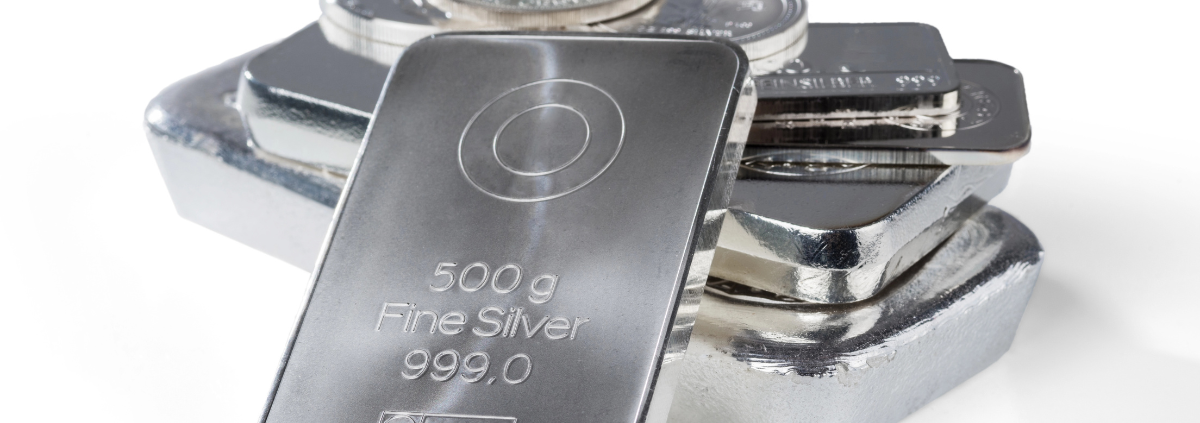
Deciding is it better to own stocks or silver is a matter of considering your individual financial goals and risk tolerance, as well as market conditions.
Both stocks and silver offer unique benefits as assets. Both also come with their own set of risks. Exploring the pros and cons of owning stocks versus silver can help you make an informed decision about which investment is best for you.
Benefits vs. Risks of Owning Stocks
First, let’s look at both the benefits and risks of owning stocks …
Benefits of Owning Stocks
- Growth Potential. Stocks have the potential for significant capital appreciation, especially over the long term, as companies grow and increase their earnings.
- Dividends. Many stocks pay dividends, providing a steady stream of income in addition to potential price appreciation.
- Liquidity. Stocks are highly liquid, allowing investors to buy and sell shares quickly and easily through the stock market.
- Diversification. With a wide range of sectors and industries to choose from, stocks offer ample opportunities for diversification within an investment portfolio.
Risks of Owning Stocks
- Market Volatility. Stock prices can be highly volatile, influenced by market conditions, economic data, and geopolitical events.
- Company-Specific Risk. Individual stocks carry the risk of poor performance or bankruptcy, which can lead to significant losses.
- Economic Cycles. Stocks are sensitive to economic cycles and can suffer during recessions or economic downturns.
- Complexity. Understanding the fundamentals of individual companies and market dynamics requires time, research, and expertise.
Benefits vs. Risks of Owning Silver
Now, to help answer the question of is it better to own stocks or silver, consider the benefits and risks of owning silver …
Benefits of Owning Silver
- Hedge Against Inflation. Silver, like gold, is considered a hedge against inflation and currency devaluation. This is because it maintains its value over time.
- Industrial Demand. Silver has numerous industrial applications, driving demand and potentially increasing its value.
- Safe Haven Asset. During times of economic or geopolitical uncertainty, silver is viewed as a safe haven asset. Owning silver is a proven way to preserve wealth.
- Diversification. Silver also can diversify an investment portfolio, reducing overall risk and volatility.
Risks of Owning Silver
- Price Volatility. Silver prices can be more volatile than gold, as prices are influenced by both industrial demand and investor sentiment.
- Storage and Security. Physical silver requires secure storage, which can incur additional costs and logistical considerations.
- No Yield. Unlike stocks, silver does not generate dividends or interest, relying solely on price appreciation for returns.
- Market Fluctuations. Silver prices can be affected by changes in industrial demand, geopolitical events, and market speculation.
Is it Better to Own Stocks or Silver? How to Determine which Investment is Best for You
Here are some things to consider when determining if it’s better for you to own stocks or silver:
- Financial Goals. Consider your long-term financial objectives. Are you looking for capital appreciation, income generation, or wealth preservation? Stocks may be better for growth and income, while silver is ideal for hedging against inflation and economic uncertainty.
- Risk Tolerance. Assess your comfort level with volatility. Stocks can be highly volatile and require a higher risk tolerance, while silver also has price fluctuations but is often seen as a safer asset during economic downturns.
- Investment Horizon. Determine your investment timeline. Stocks are generally better suited for long-term growth, while silver can be beneficial for both short-term and long-term stability and diversification.
- Diversification Needs. Evaluate how each asset fits into your overall investment strategy. A well-balanced portfolio may include both stocks and silver, providing growth potential and a hedge against market volatility.
So, is it better to own stocks or silver? It’s a personal decision that ultimately depends on your individual situation.
Stocks offer growth potential and income through dividends, but come with higher volatility and complexity. Silver provides a hedge against inflation and economic uncertainty, but requires secure storage and does not generate income.
At California Gold & Silver Exchange, we understand the importance of making informed investment decisions. If you are considering adding silver to your portfolio, contact us today to learn more about current prices and how silver can complement your investment strategy.
Contact us today to learn more about how silver can contribute to your financial future as part of a diversified and secure portfolio.
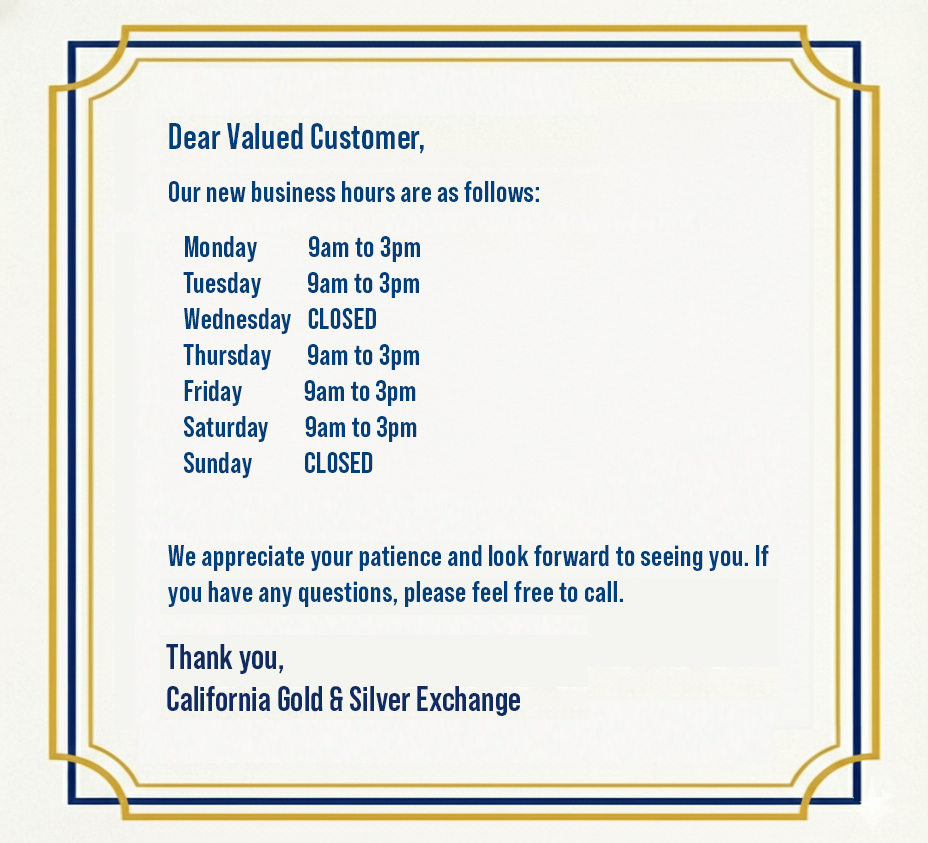
Call (909) 985-4653 for current pricing or to schedule an appointment for a personalized consultation. Or click here for our address and hours.
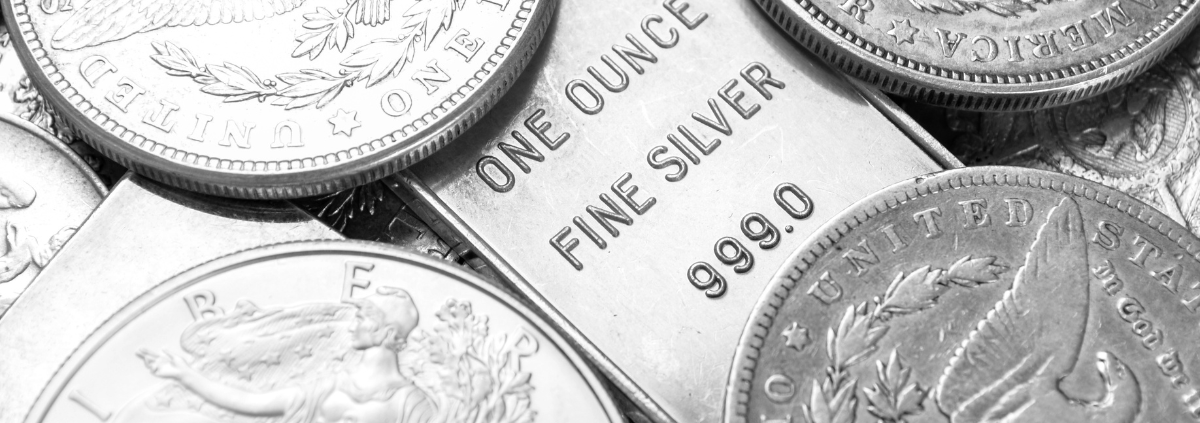
As investors seek to diversify their portfolios and protect their wealth, silver has emerged as a compelling choice and the question — How much silver should I own? — has become a common one.
Unlike gold, silver’s unique blend of industrial demand and investment appeal offers distinct advantages. Still, there are multiple factors to consider when determining the appropriate amount of silver for your investment portfolio.
Most importantly, the amount of silver you own needs to align with your financial goals and risk tolerance.
Understanding Silver’s Role in an Investment Portfolio
Silver serves multiple functions in an investment portfolio, including the following:
-
-
- Hedge Against Inflation: Similar to gold, silver is considered a hedge against inflation because it maintains its value over time.
- Industrial Demand: Silver has numerous industrial applications, from electronics to solar panels. This drives demand and potentially increases its value.
- Safe Haven Asset: In times of economic uncertainty, silver, like gold, is viewed as a safe haven asset. Owning it is one way to protect and preserve your wealth.
- Diversification: Silver can diversify an investment portfolio, reducing overall risk and volatility.
-
Factors to Consider When Deciding How Much Silver to Own
Deciding how much silver to own is dependent on personal preferences and your unique situation. Here are some factors you need to consider when making that decision:
-
-
- Investment Goals. For example, are you looking for long-term wealth preservation, capital appreciation, or a hedge against economic instability? Your goals will shape your silver allocation.
- Risk Tolerance. Assess your risk tolerance. Silver prices can be more volatile than gold, so consider how comfortable you are with potential price fluctuations.
- Market Conditions. Evaluate current market conditions and economic indicators. In periods of industrial growth or economic uncertainty, a higher allocation to silver may be beneficial.
- Diversification Needs. Silver should complement your existing investments, providing balance and reducing risk.
-
Recommended Allocation Percentages
While there is no one-size-fits-all answer, the following guidelines can help determine your silver allocation:
- Conservative Investors: For those seeking stability and wealth preservation, allocating 5-10% of your portfolio to silver can provide a hedge against inflation and economic uncertainty.
- Balanced Investors: If you aim for a balance between growth and stability, consider allocating 10-20% of your portfolio to silver. This allocation offers diversification and potential for capital appreciation.
- Aggressive Investors: For investors focused on high growth and willing to accept more risk, a 20-30% allocation to silver may be appropriate. This leverages silver’s industrial demand and potential for significant price increases.
Types of Silver Investments
You’ll also need to consider the various forms of silver investments when deciding how much silver to own. For example …
- Physical Silver. When you own physical silver — such as coins or bars — you have tangible assets that hold intrinsic value. However, you’ll need to consider storage and security costs.
- Silver ETFs and Mutual Funds. Investing in silver via Exchange Traded Funds (ETFs) and mutual funds provides exposure to silver prices without the need for physical storage. This option gives you liquidity and convenience.
- Silver Mining Stocks. There’s a potential for higher returns when you own stocks in silver mining companies. However, this comes with additional risks related to the mining industry.
How to Determine the Right Amount of Silver for You
Finally, here are some tips to help you determine what amount of silver is right for you:
Financial Goals: Align your silver investment with your long-term financial objectives. Are you looking to hedge against inflation, capitalize on industrial demand, or diversify your portfolio?
Risk Tolerance: Understand your comfort level with price volatility. Silver can experience significant price swings, so ensure you are prepared for potential fluctuations.
Investment Horizon: Consider your investment timeline. For short-term needs or goals, a smaller allocation may be appropriate. For long-term wealth preservation and growth, a larger allocation can be beneficial.
Current Portfolio Composition: Evaluate how silver fits into your overall investment strategy. Ensure it complements your existing assets and contributes to a balanced, diversified portfolio.
By carefully considering all of these factors, you can make an informed decision and answer that question — How much silver should I own? — in a way that aligns with your overall investment strategy.
At California Gold & Silver Exchange, we specialize in helping you make sound investment choices. Whether you’re looking to buy silver coins, bars, or other forms of silver investments, our experts are here to give you the guidance you need.
Contact us today to learn more about how silver can contribute to your financial future as part of a diversified and secure portfolio.
Call (909) 985-4653 for current pricing or to schedule an appointment for a personalized consultation. Or click here for our address and hours.
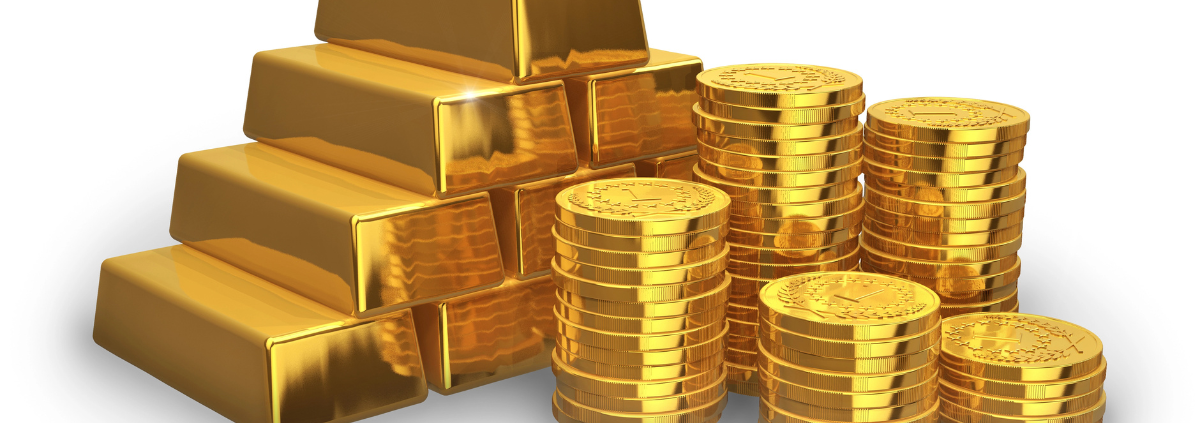
Whether you’re new to investing in gold or looking to expand your holdings, you might wonder how much gold you can buy with a specific amount of money, so let’s look at how much gold can you buy for $20,000 … just as an example.
Investing in gold is a popular way to diversify your portfolio and protect your wealth, but there are multiple factors that can affect your buying power. For example, current market conditions, different forms of gold investments, options, and dealer premiums all contribute to how much gold you can buy for whatever investment amount you’re working with.
Understanding Gold Prices
Gold prices are influenced by various factors, including supply and demand, geopolitical events, inflation, and currency fluctuations.
To keep the math easy for our example, we’ll assume the current market price of gold is approximately $2,000 per ounce.
But keep in mind that gold prices can fluctuate daily, so it’s essential to check the latest prices when planning your purchase.
Calculating Gold Purchases
To determine how much gold you can buy for $20,000, you need to consider the following:
- Spot Price: The spot price is the current market price of gold per ounce. For this example, we’ll use $2,000 per ounce.
- Premiums: Additional costs above the spot price that include minting, packaging, and dealer margins. Premiums vary depending on the type of gold product you choose.
Forms of Physical Gold Bullion
- Gold Coins. Popular gold coins include the American Gold Eagle, Canadian Gold Maple Leaf, and South African Krugerrand. Premiums for these coins typically range from 3% to 10% above the spot price.
- Gold Bars. Gold bars come in various sizes, from small 1-gram bars to larger 1-kilogram bars. Premiums for gold bars are generally lower than coins, ranging from 1% to 5% above the spot price.
How Much Gold Can You Buy with $20,000?
Here’s how much gold our example investment amount of $20,000 would get if you chose gold coins vs. gold bars:
Gold Coins
Let’s calculate the amount of gold you can buy with $20,000, assuming a 5% premium on gold coins.
- Spot Price: $2,000 per ounce
- Premium: 5% of $2,000 = $100
- Total Cost per Ounce: $2,100
Divide $20,000 by the total cost per ounce of $2,100, and you discover that you can buy about 9.52 ounces of gold coins with $20,000.
Gold Bars
Now, let’s do the same calculations for the purchase of gold bars, assuming a 2% premium.
- Spot Price: $2,000 per ounce
- Premium: 2% of $2,000 = $40
- Total Cost per Ounce: $2,040
When you divide your investment amount of $20,000 by the total cost per ounce of $2,040, you discover that you can buy about 9.8 ounces of gold bars.
Factors Affecting Your Gold Purchase
Remember, the above examples were hypothetical and assumed the spot price of $2,000 per ounce. In real life, there are three main factors that determine how much gold can you buy for $20,000. They are:
- Market Fluctuations. Gold prices can vary daily, affecting how much gold you can buy. It’s essential to monitor the market and consider buying during dips in prices.
- Dealer Premiums. Different dealers may offer varying premiums. It’s advisable to compare prices from reputable dealers to get the best value.
- Form of Gold. As seen in the calculations above, the form of gold (coins vs. bars) can affect the total amount of gold you can purchase. Bars typically offer more gold for your money due to lower premiums.
Learn More and Get Current Prices
At California Gold & Silver Exchange, we offer a wide range of gold products — including coins and bars — at competitive prices. Contact us today to learn more about how you can maximize your gold investment.
Our experts are here to provide personalized advice and help you make informed decisions about buying gold. Visit our store or schedule an appointment for a consultation.
Call (909) 985-4653 for current pricing or to schedule an appointment for a personalized consultation. Or click here for our address and hours.